Sustainable Tourism

Commitment to sustainability, inclusion, and unique nature experiences with local identity.

2026 SEASON | CHILEAN PATAGONIA

SELECT AN EXPERIENCE

TREKKING iN FUTALEUFÚ

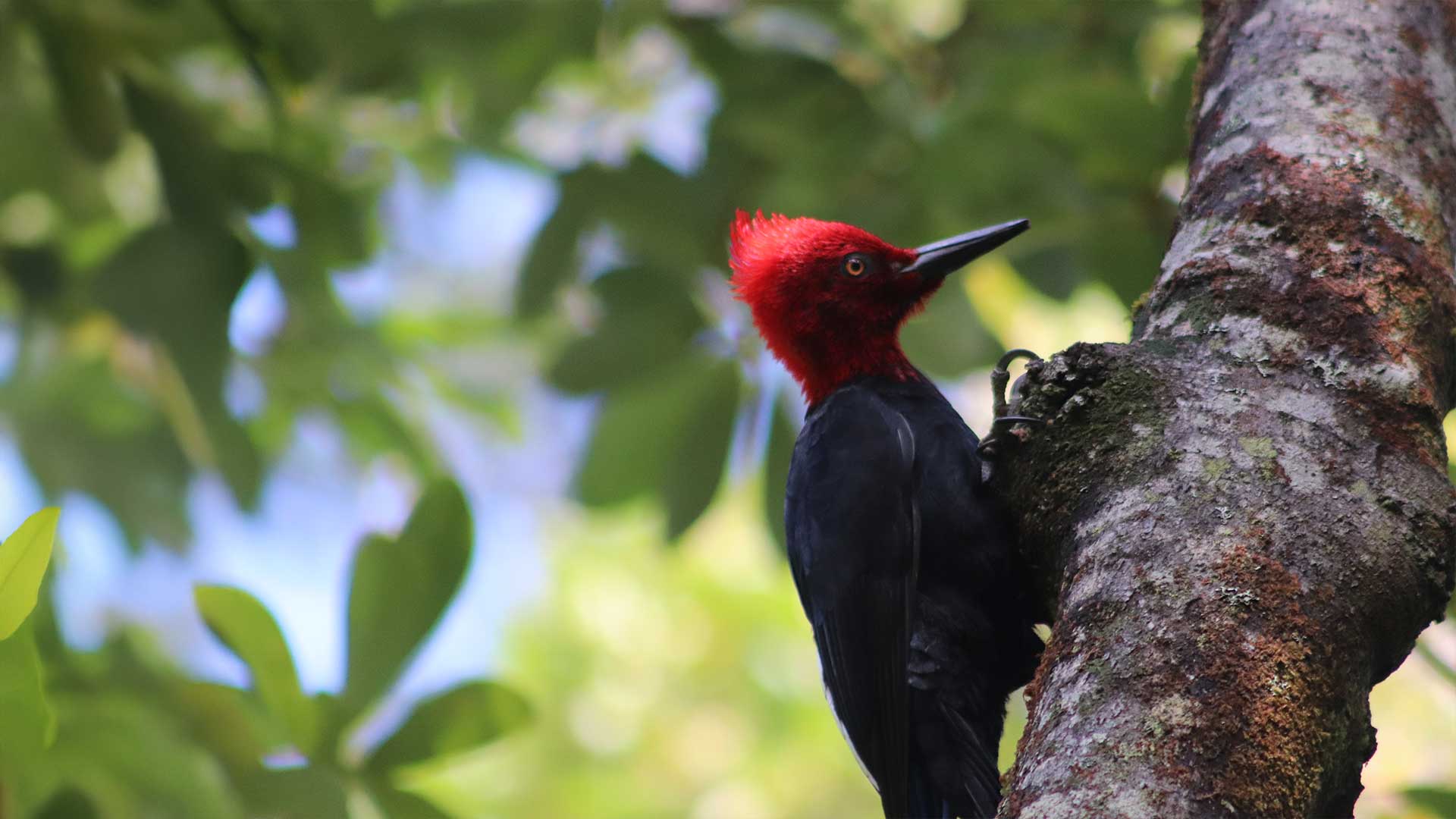
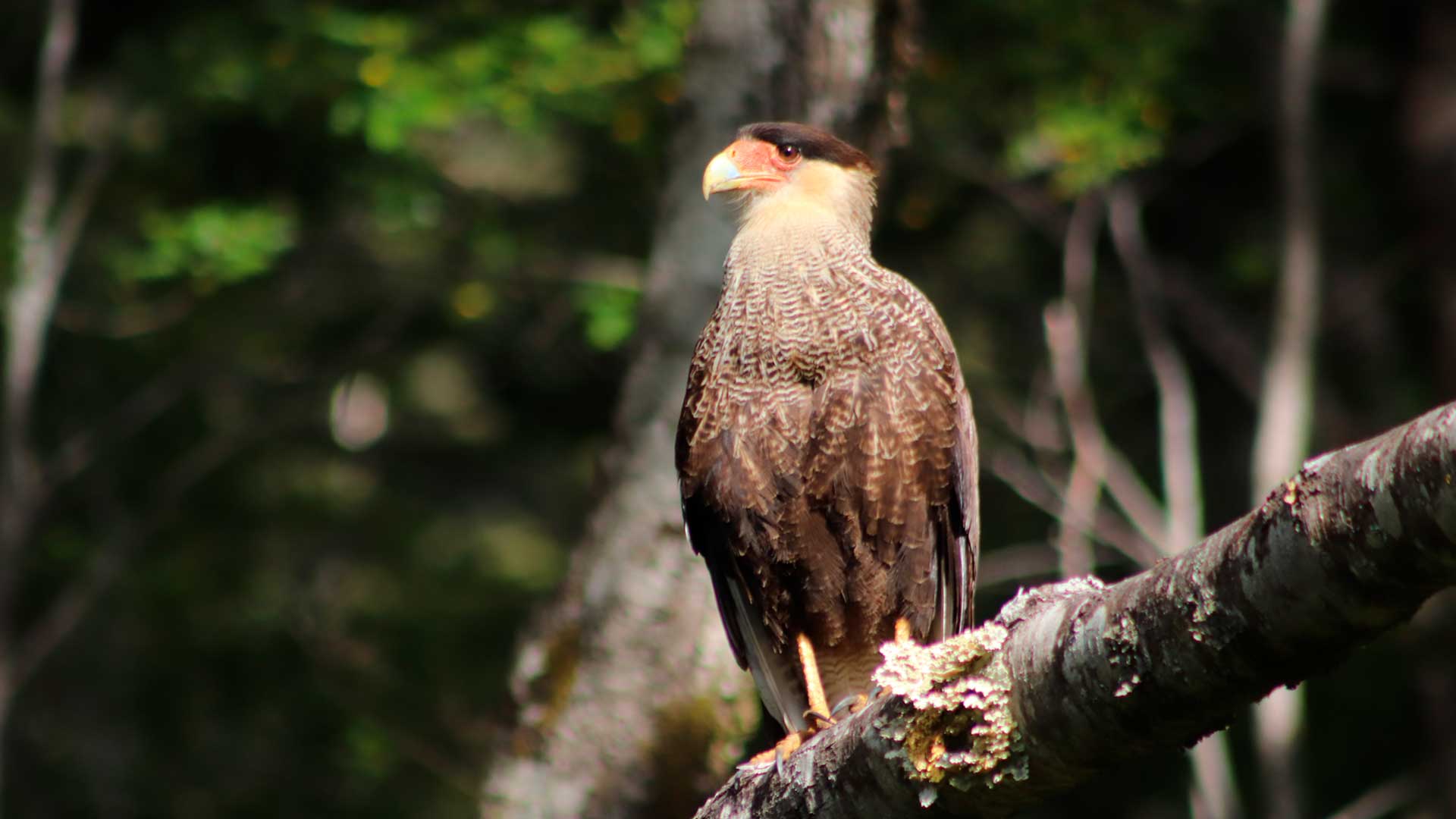
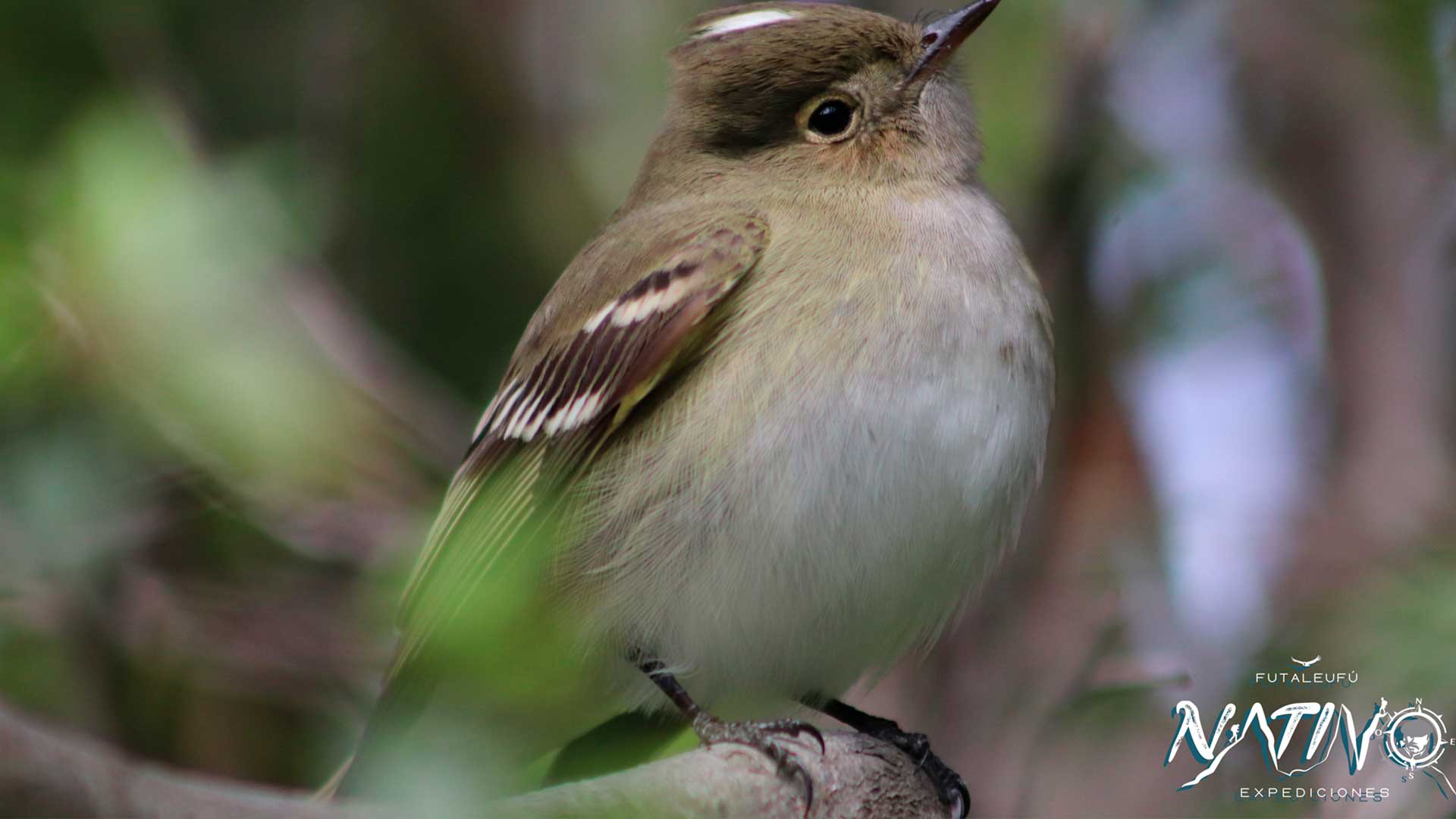
BIRD WATCHING

HIGH MOUNTAIN

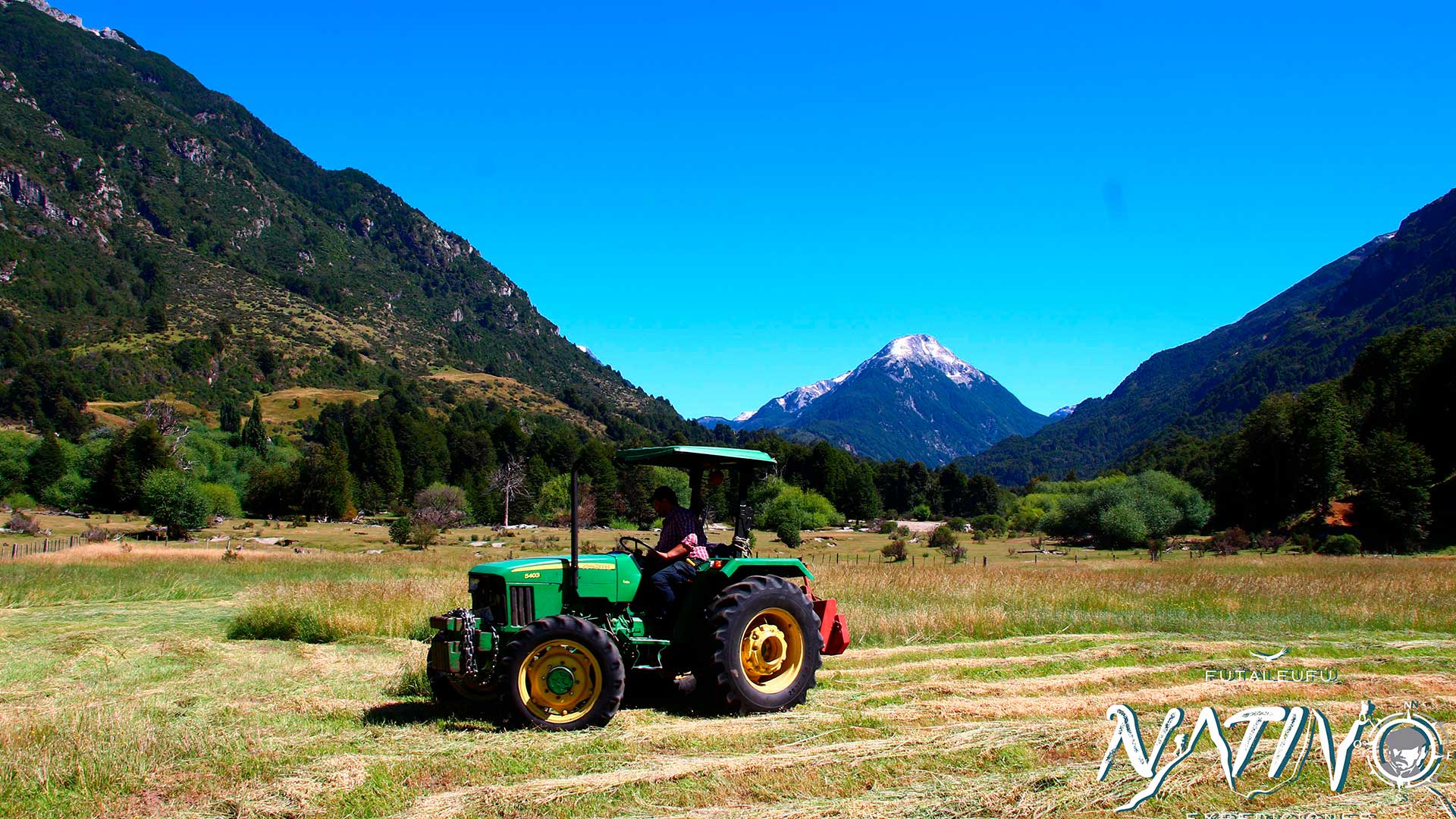
RURAL TOURISM

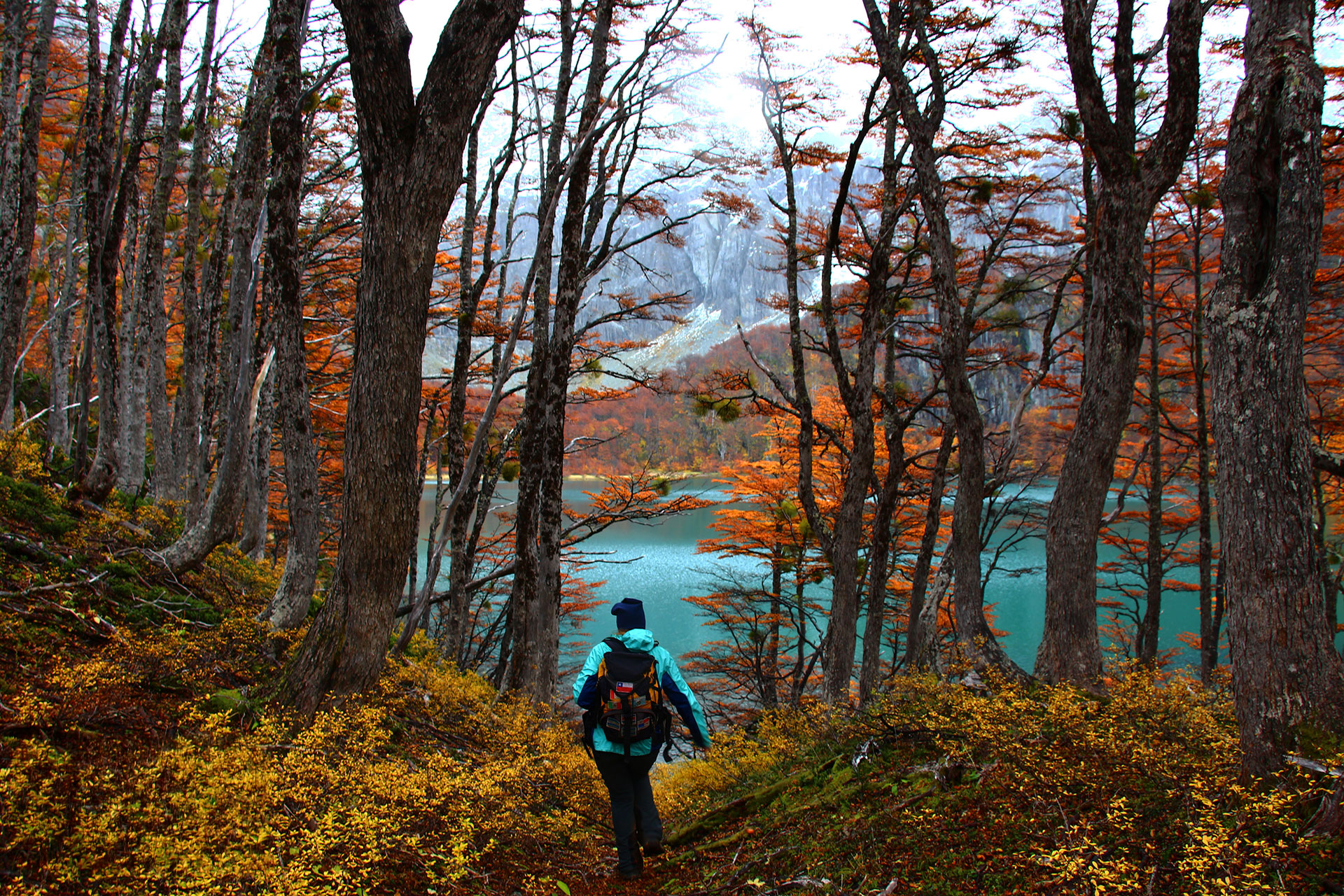
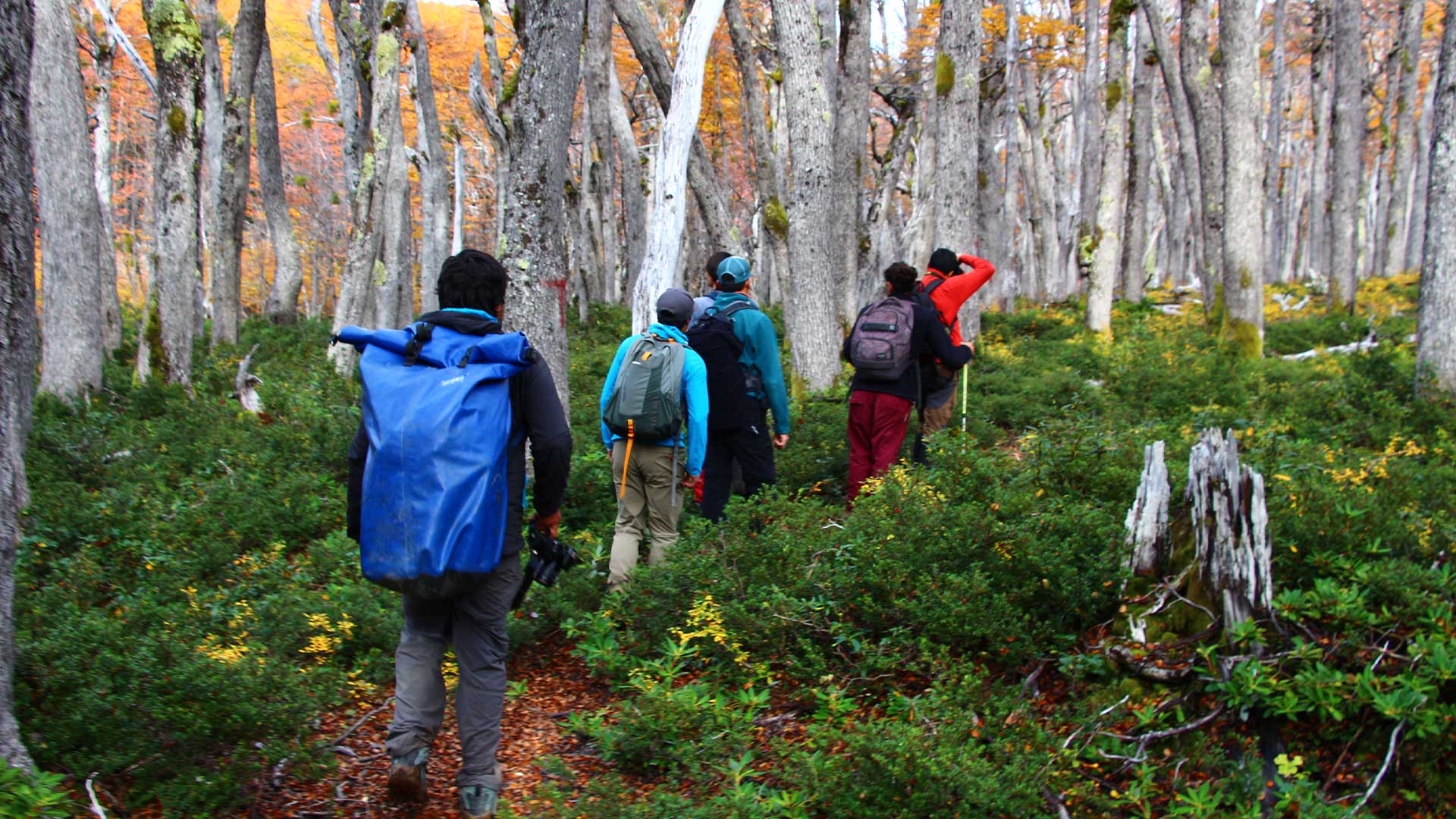
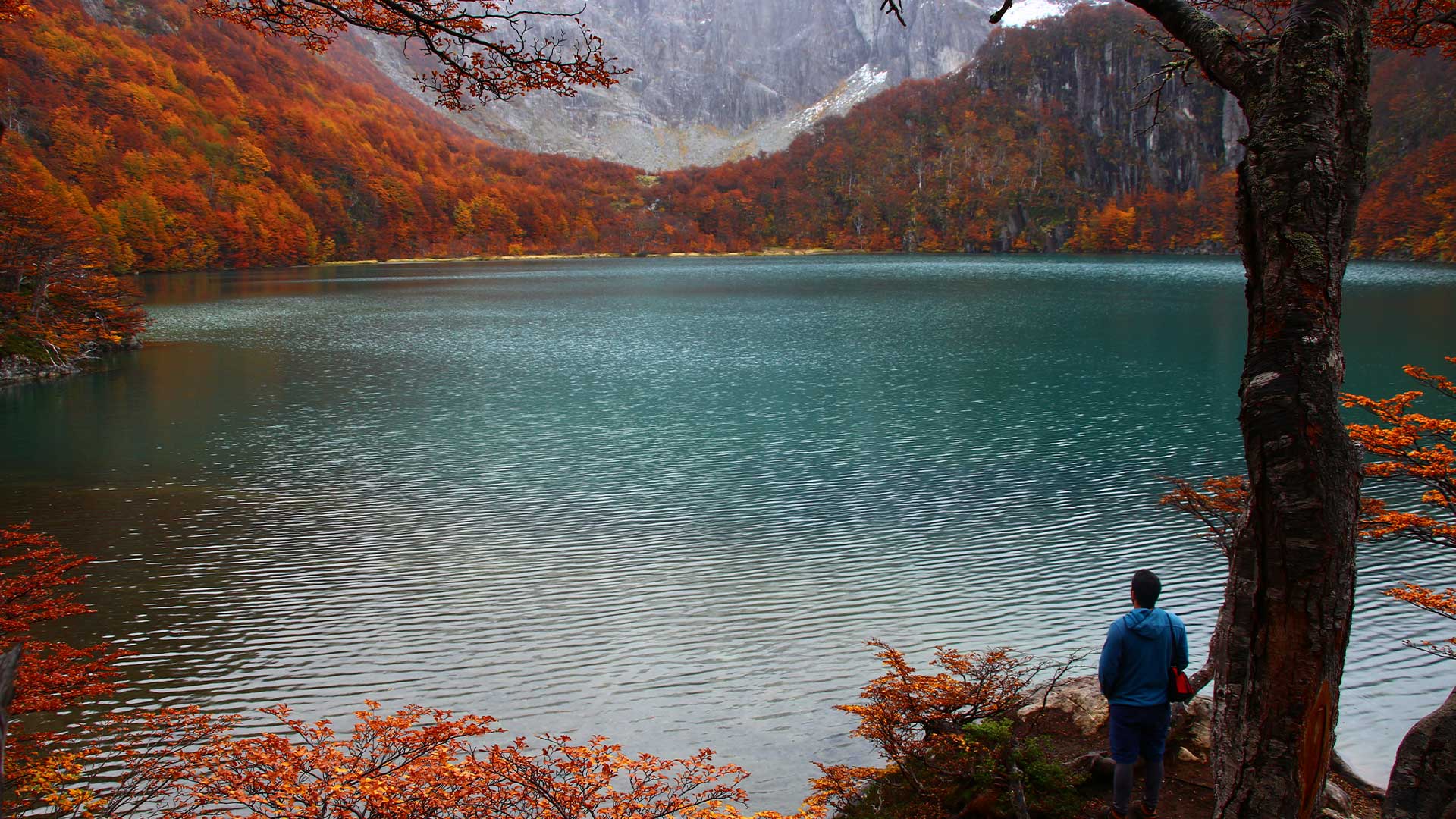
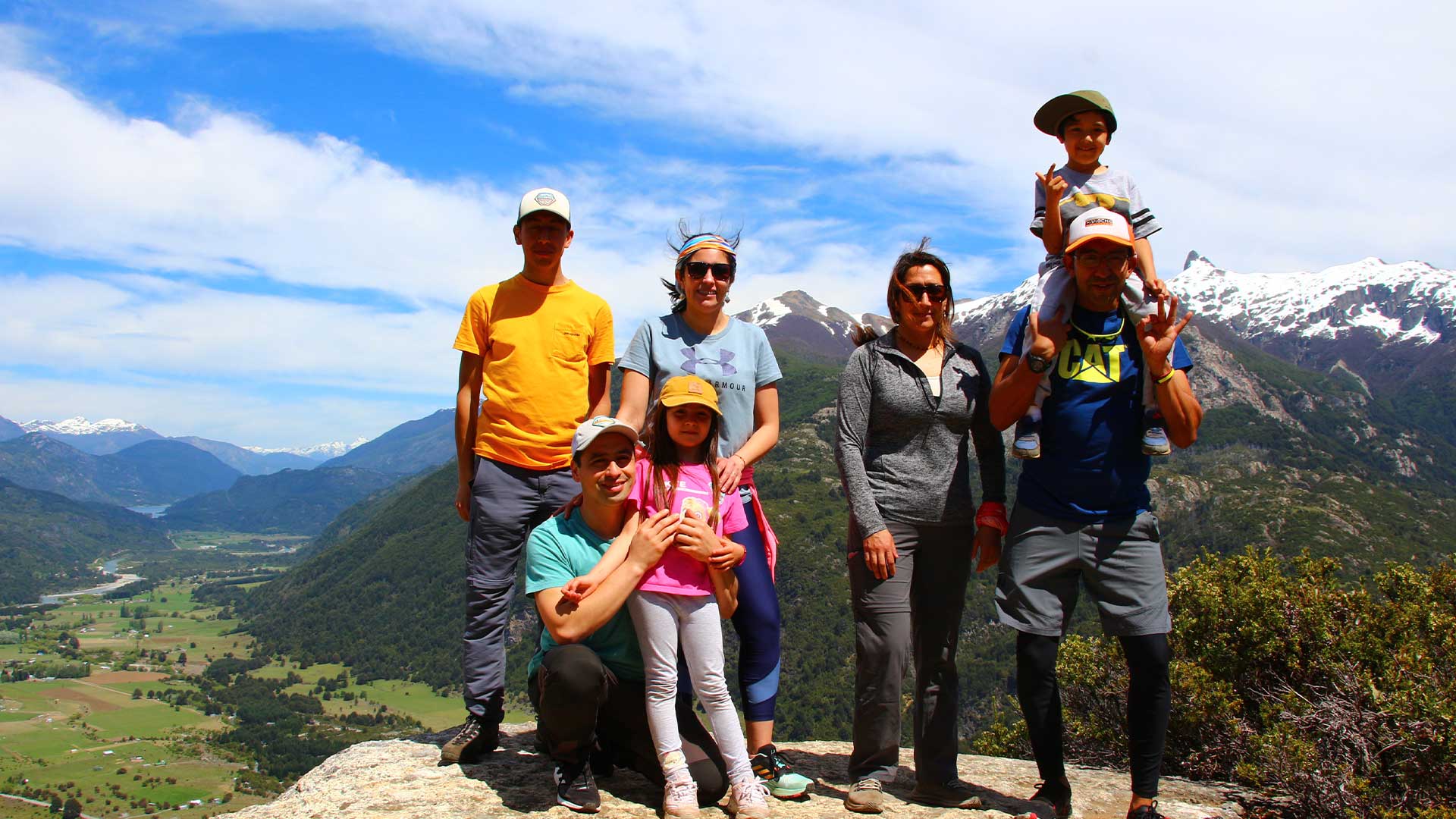
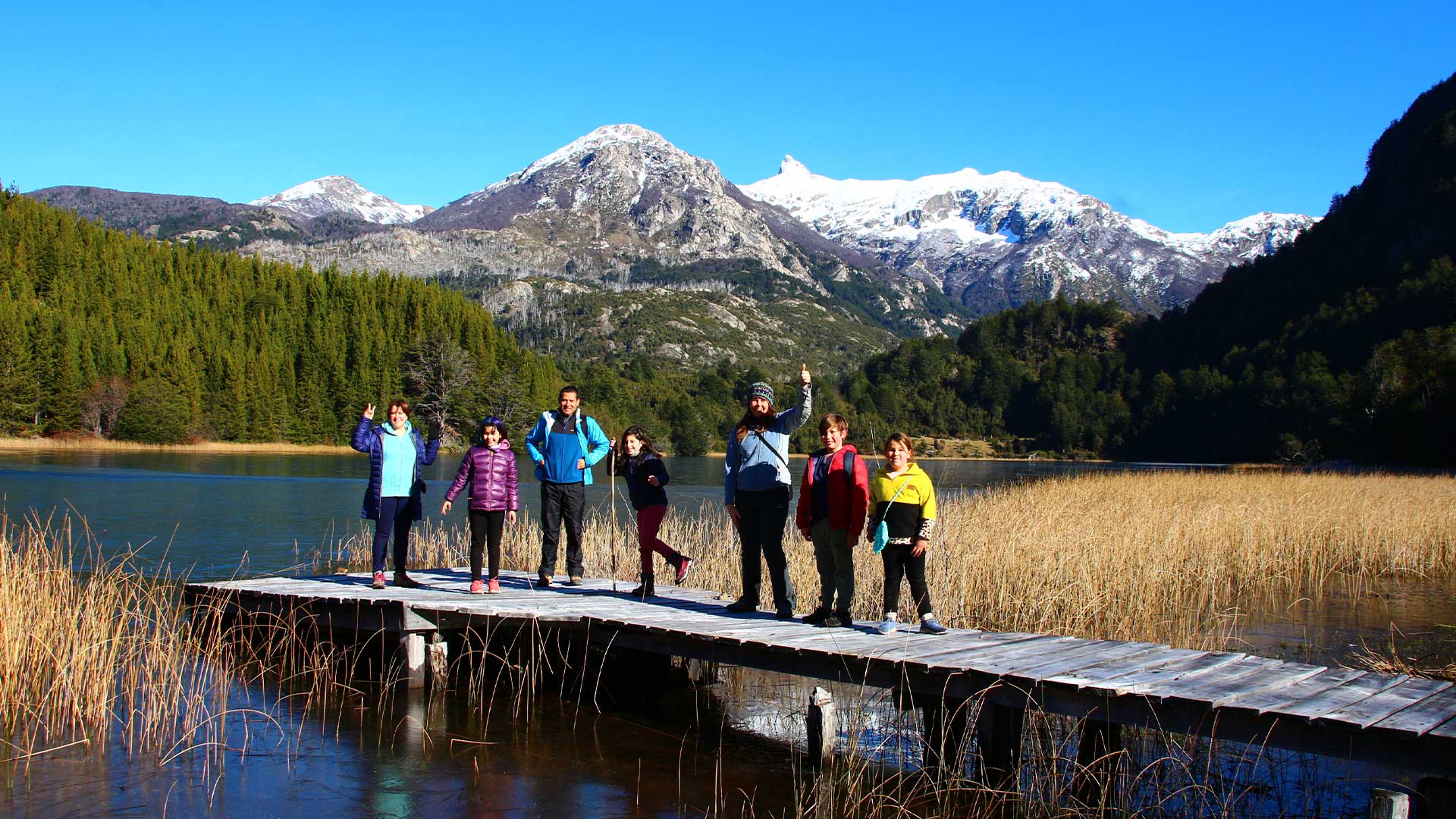
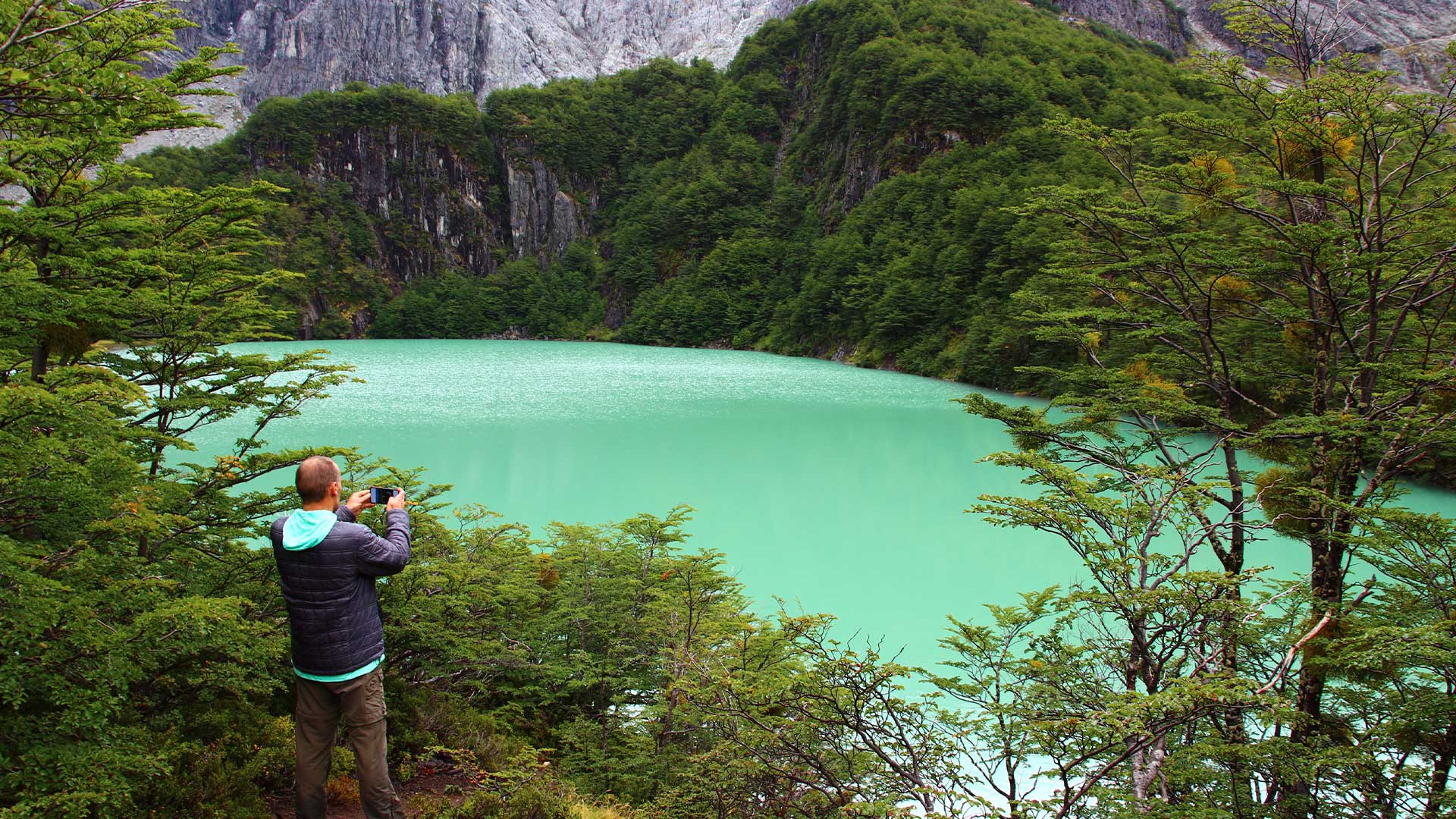
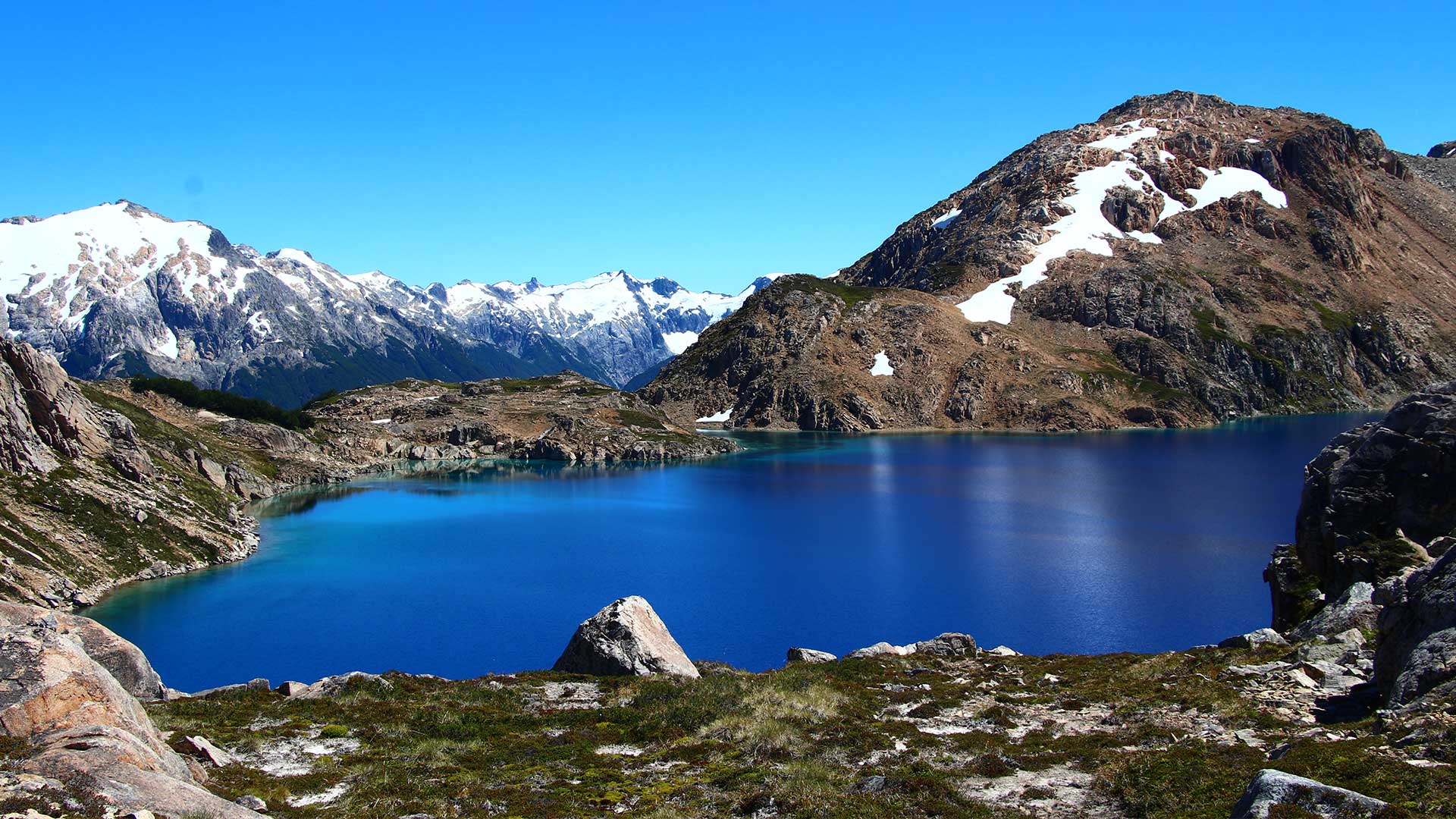
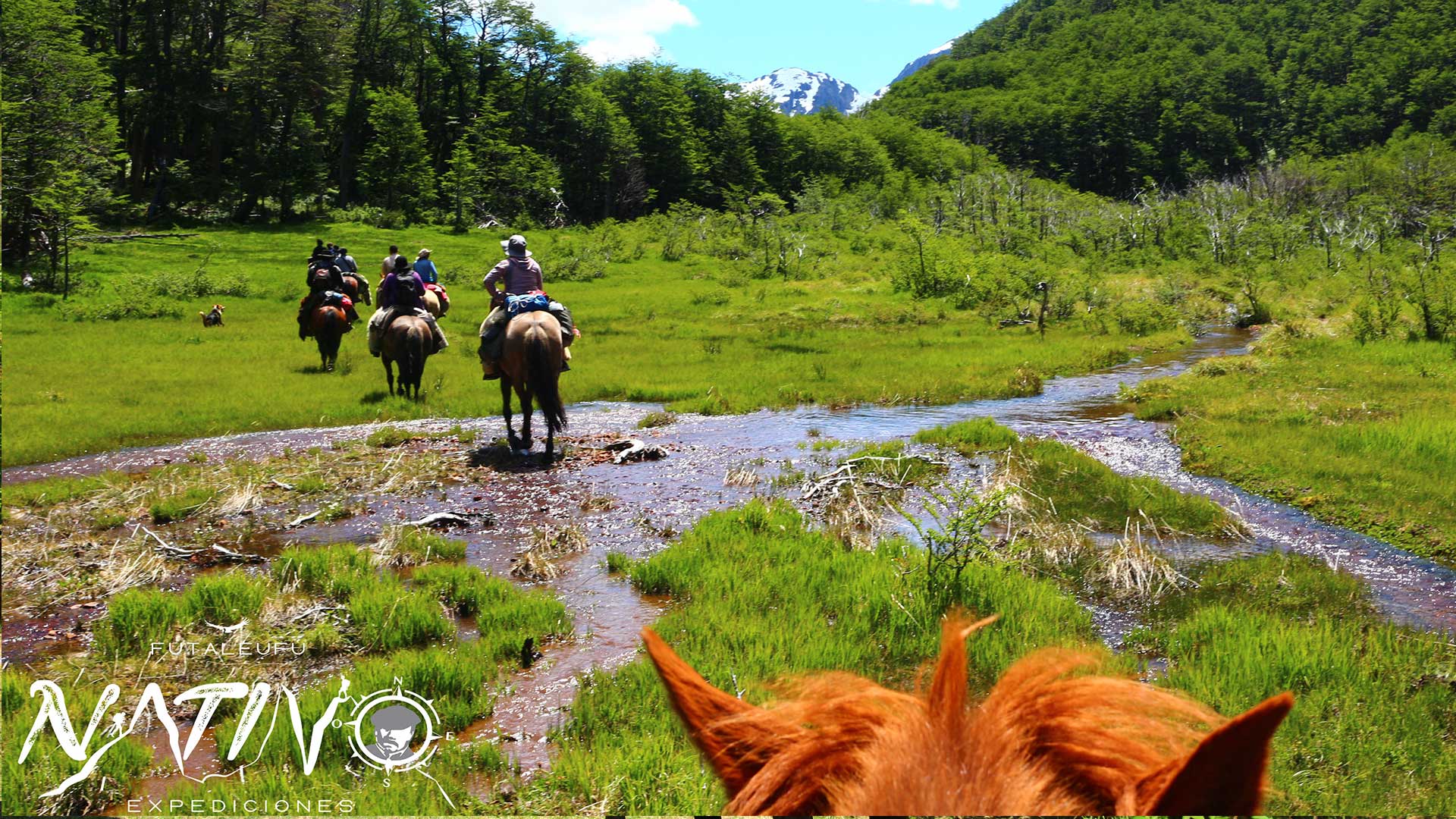
TREKKING IN FUTALEUFÚ
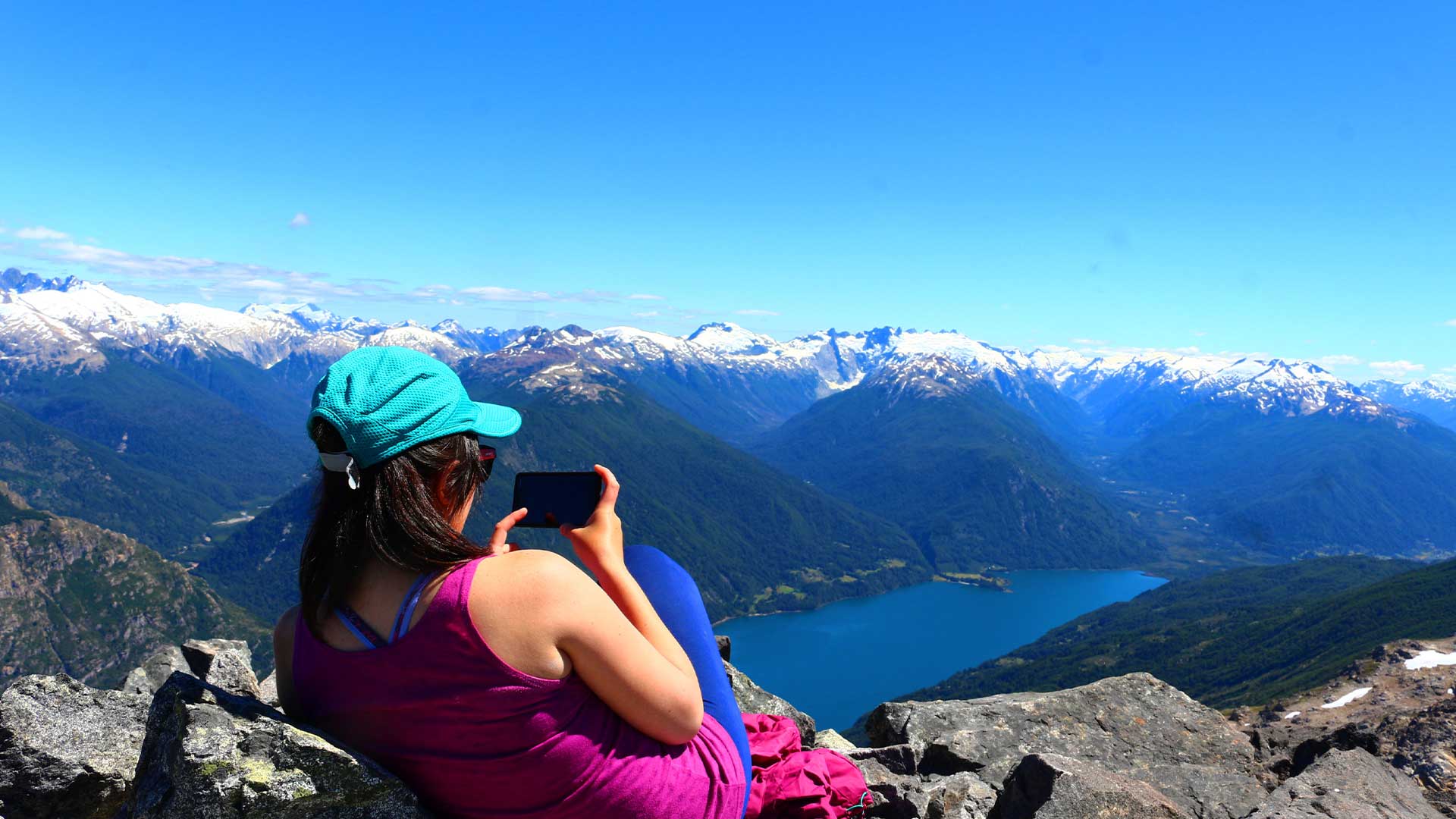
nativo-expediciones-futaleufu_laguna_pinilla
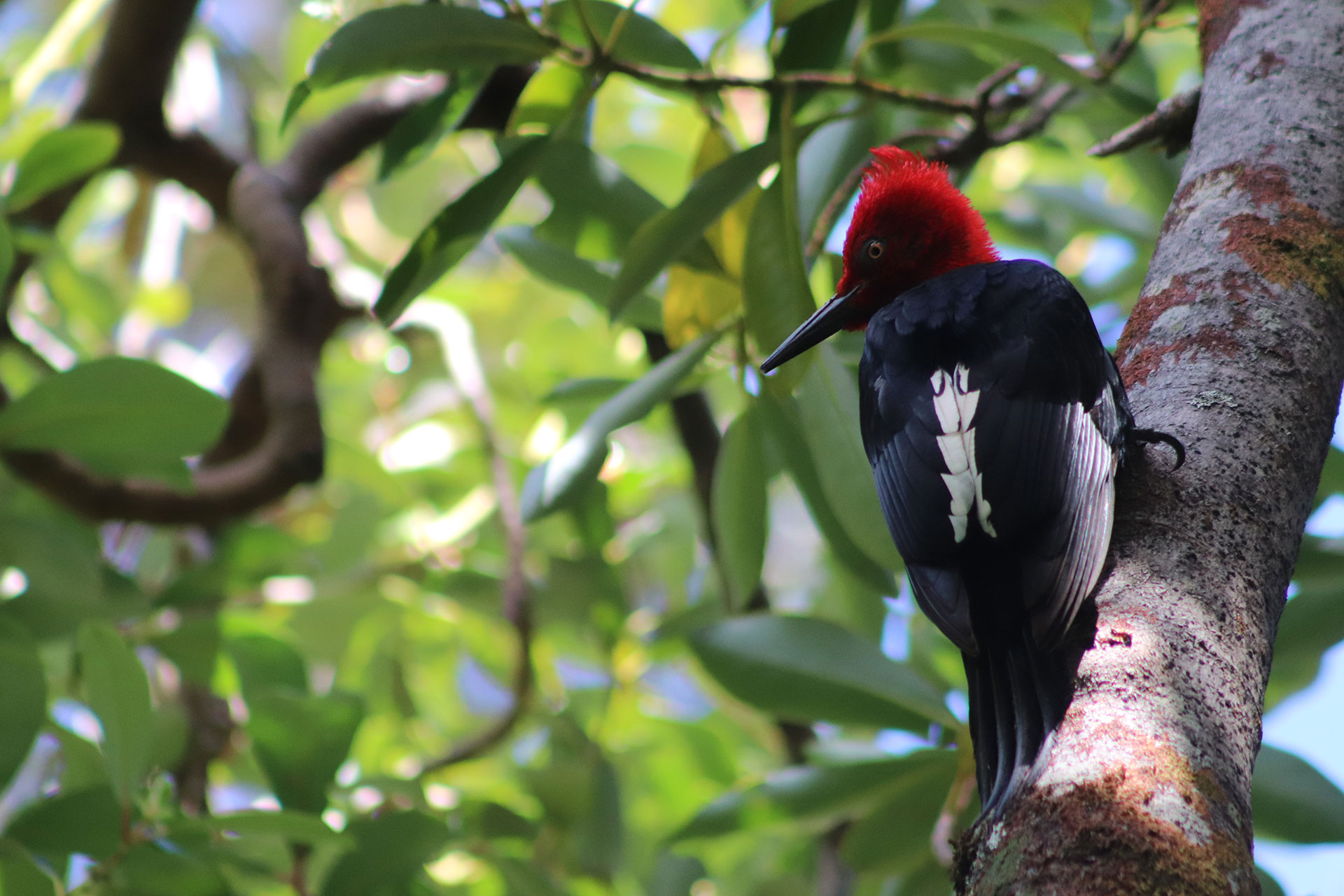
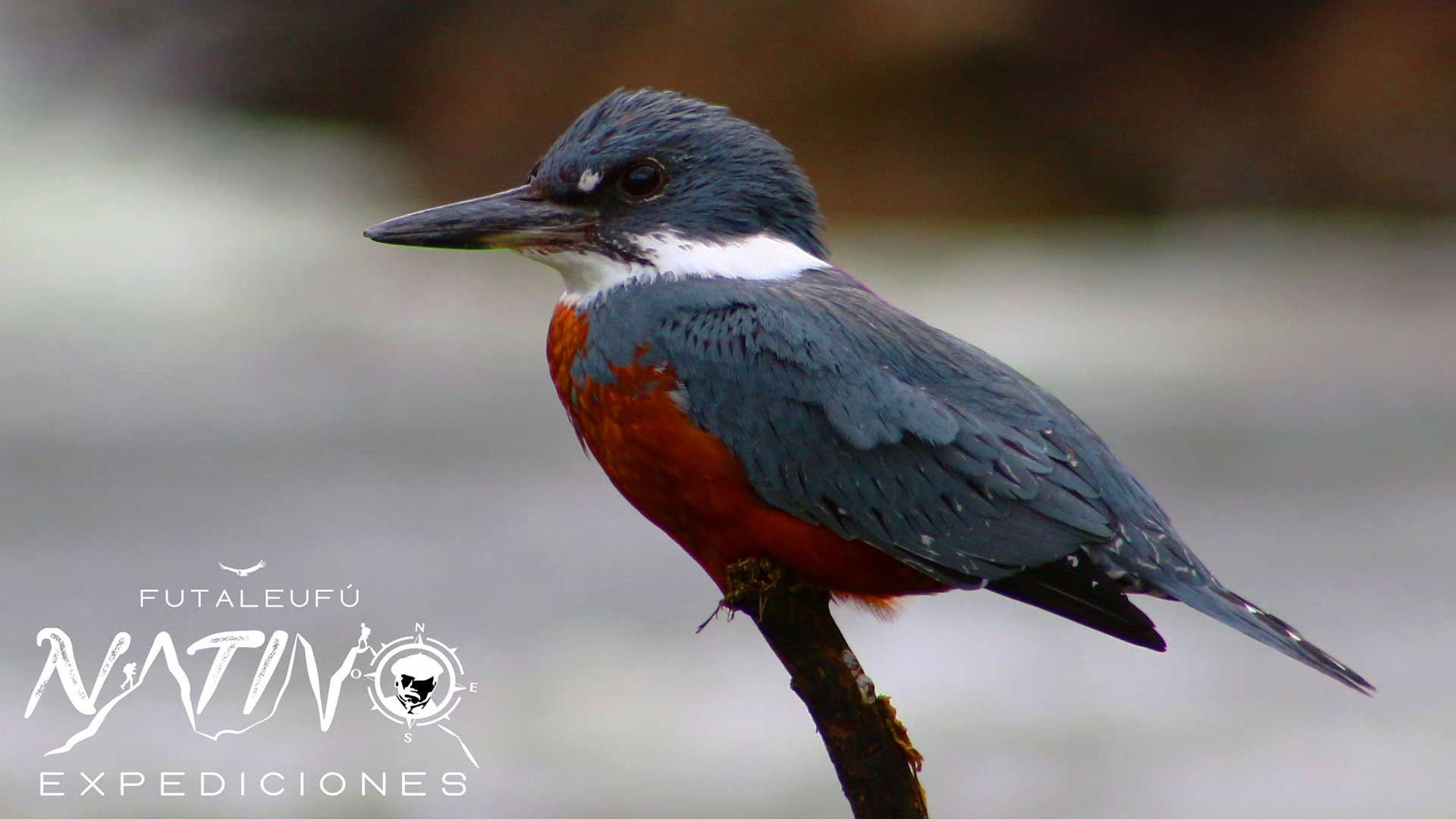
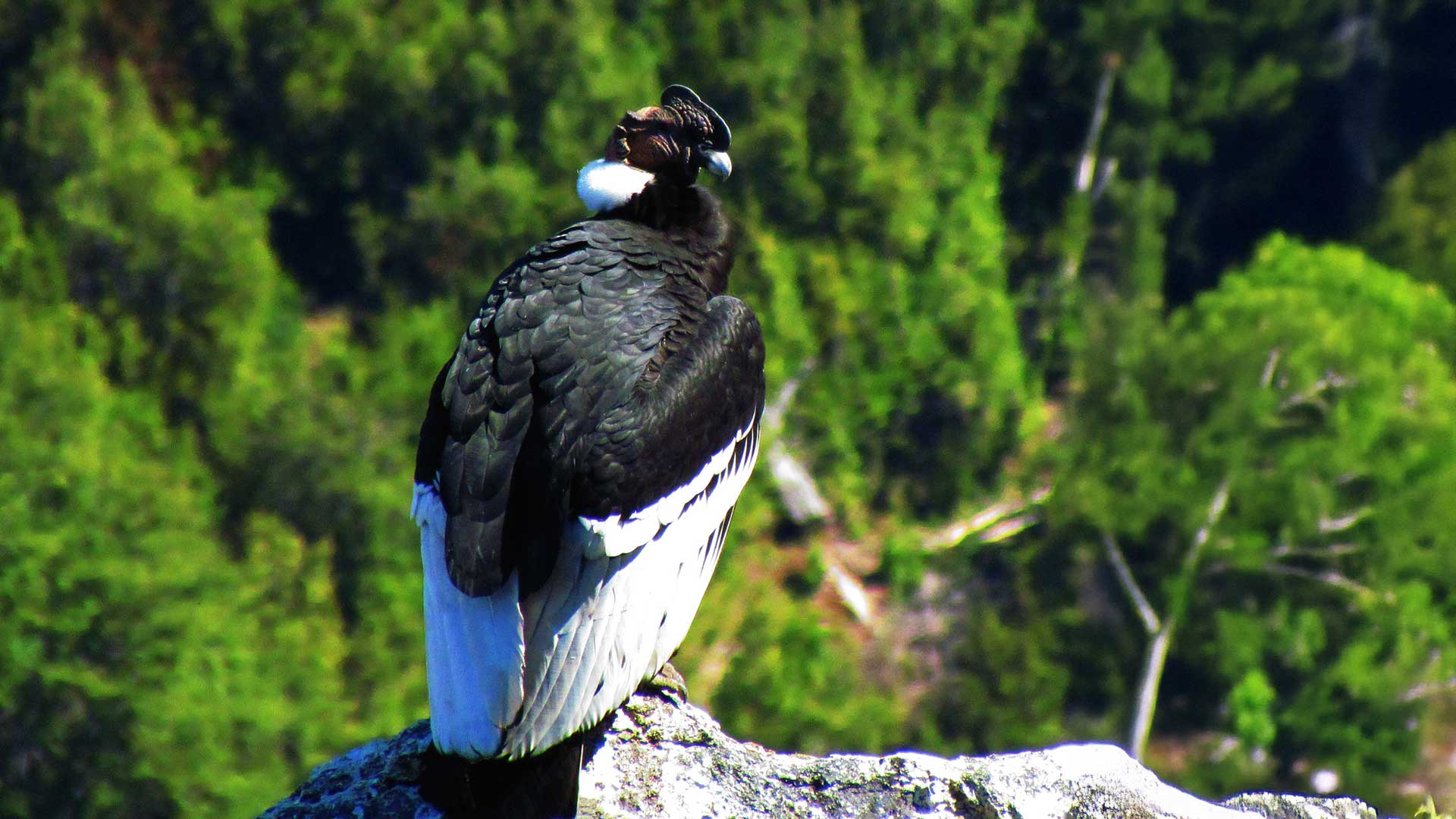
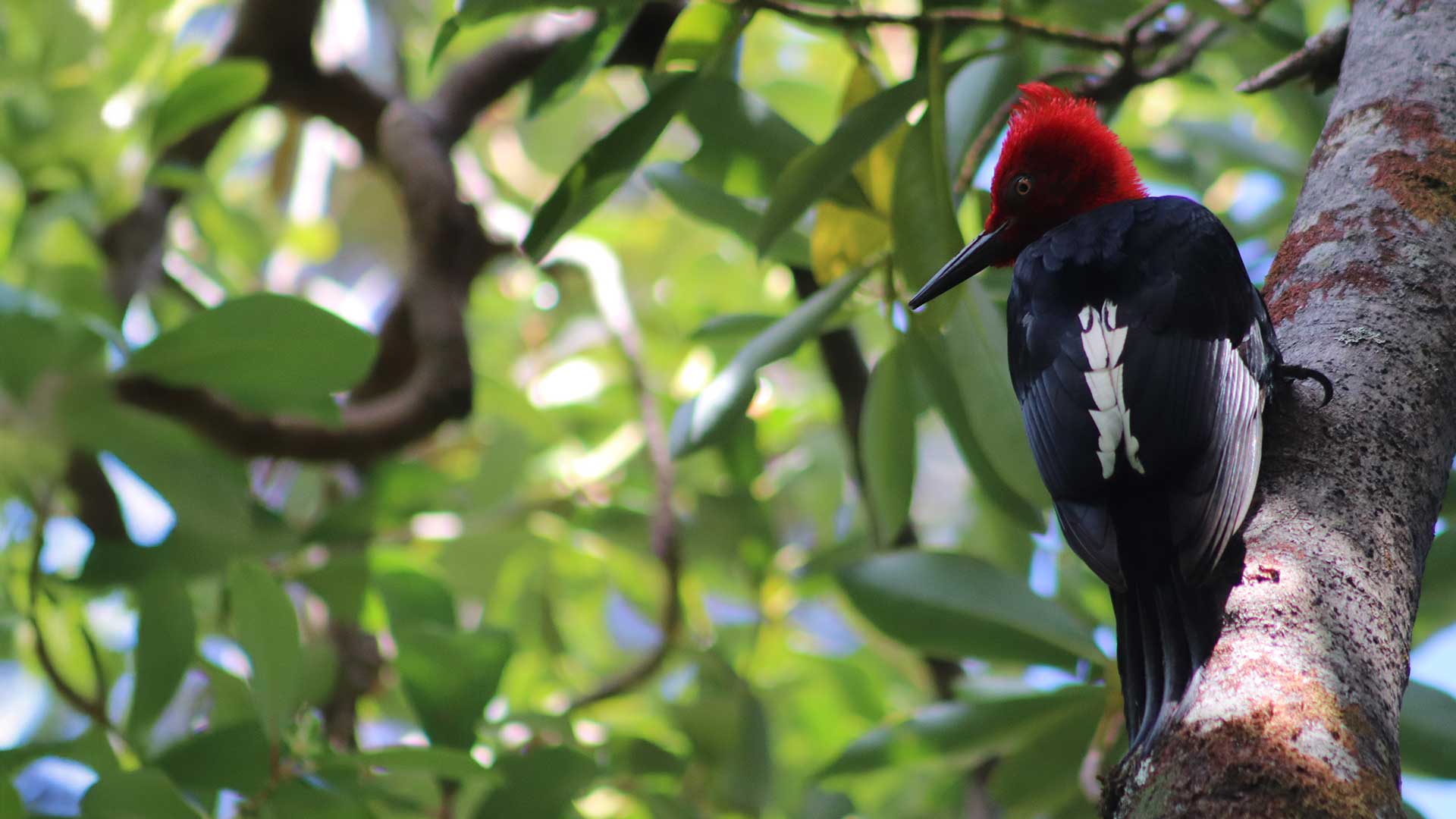
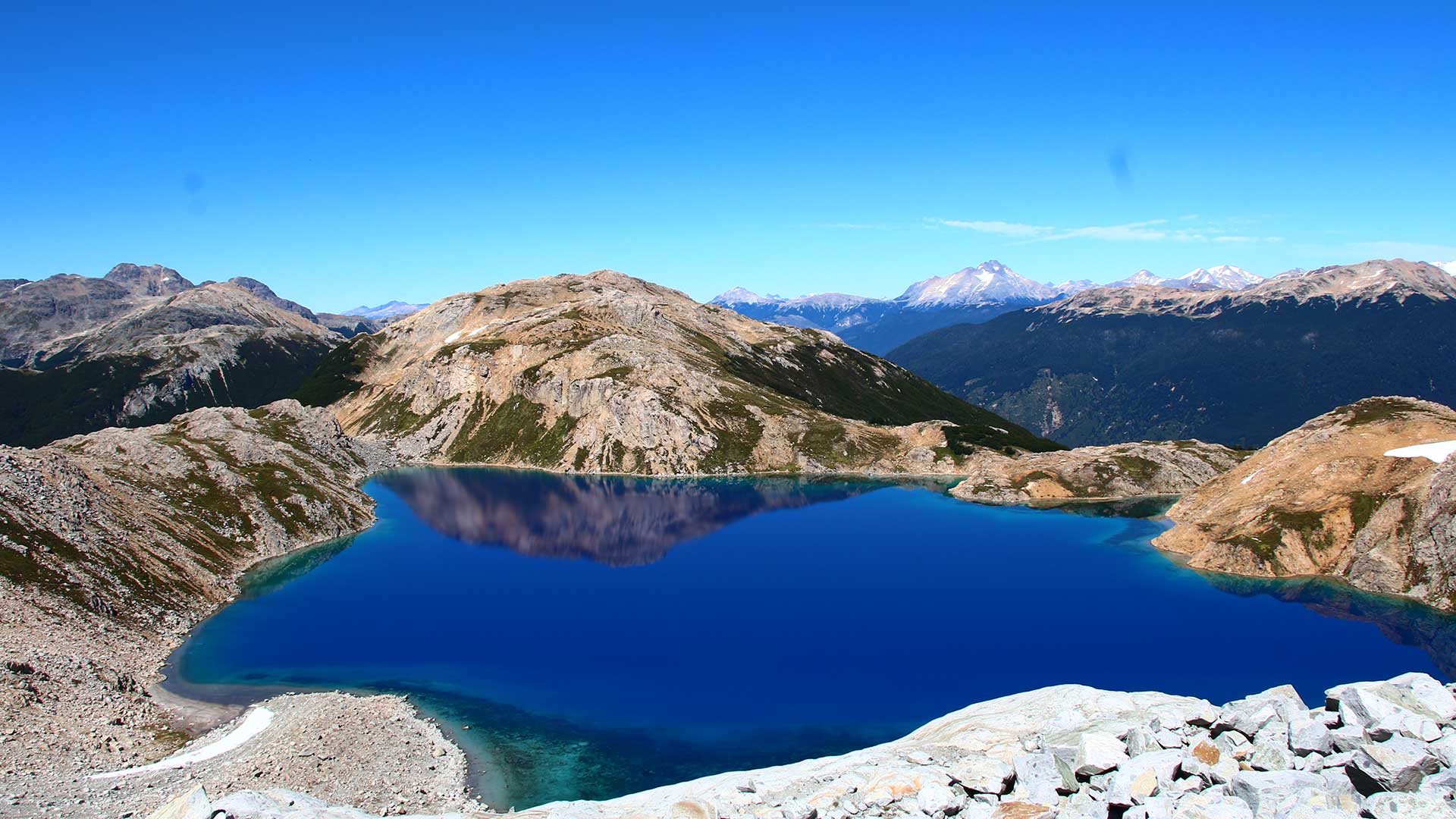
BIRD WATCHING
nativo-expediciones-futaleufu_aves_1
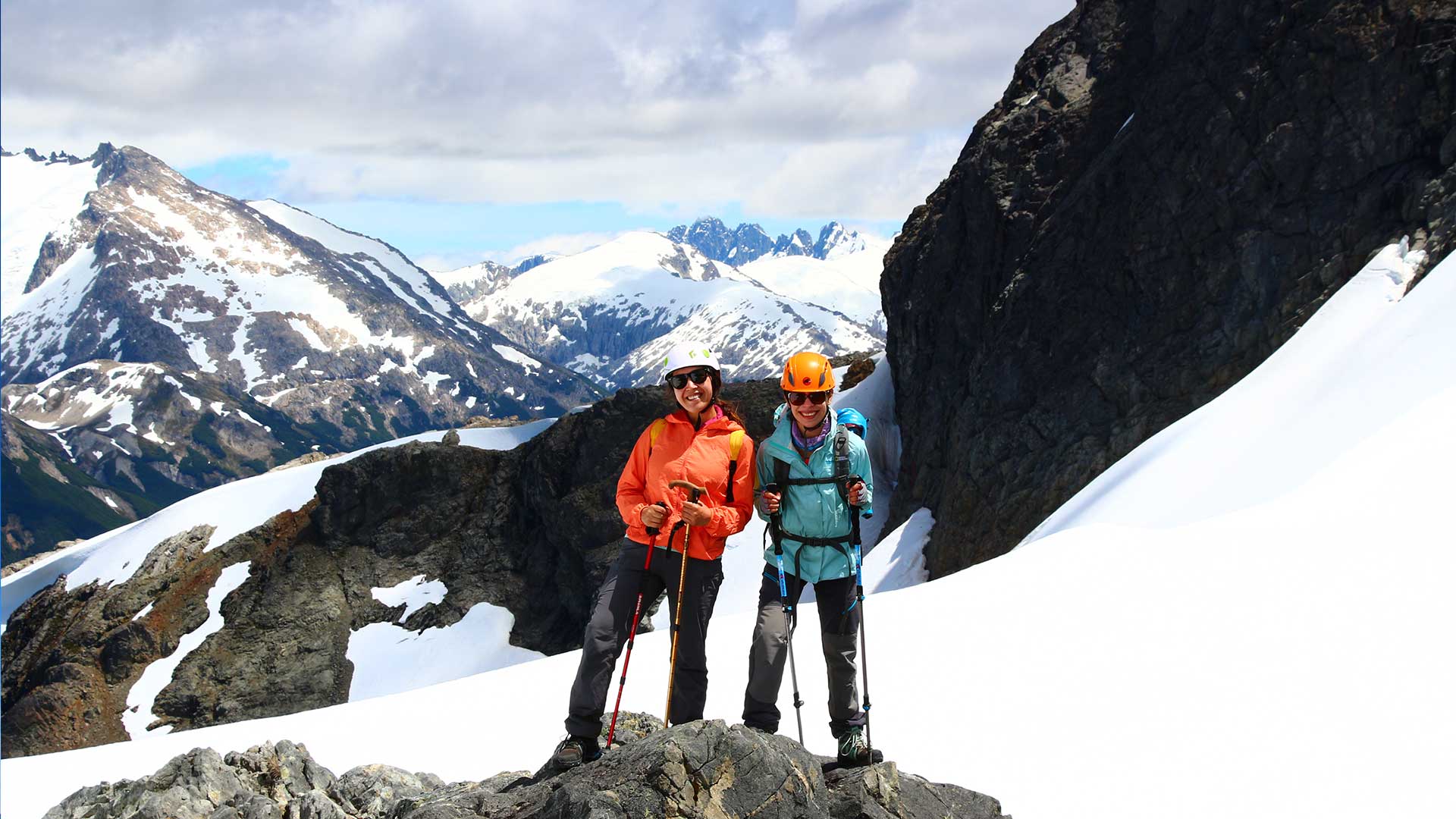
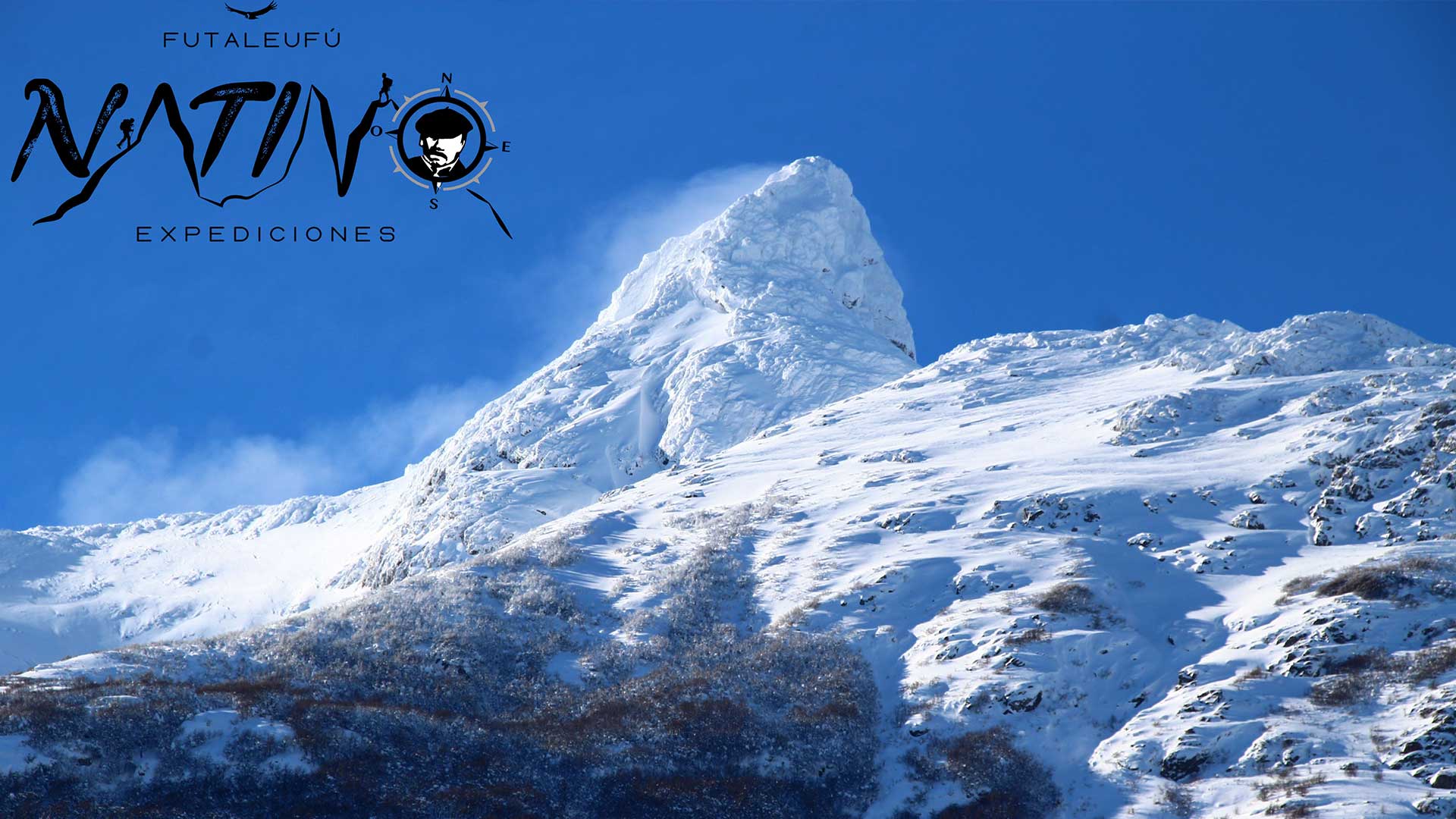
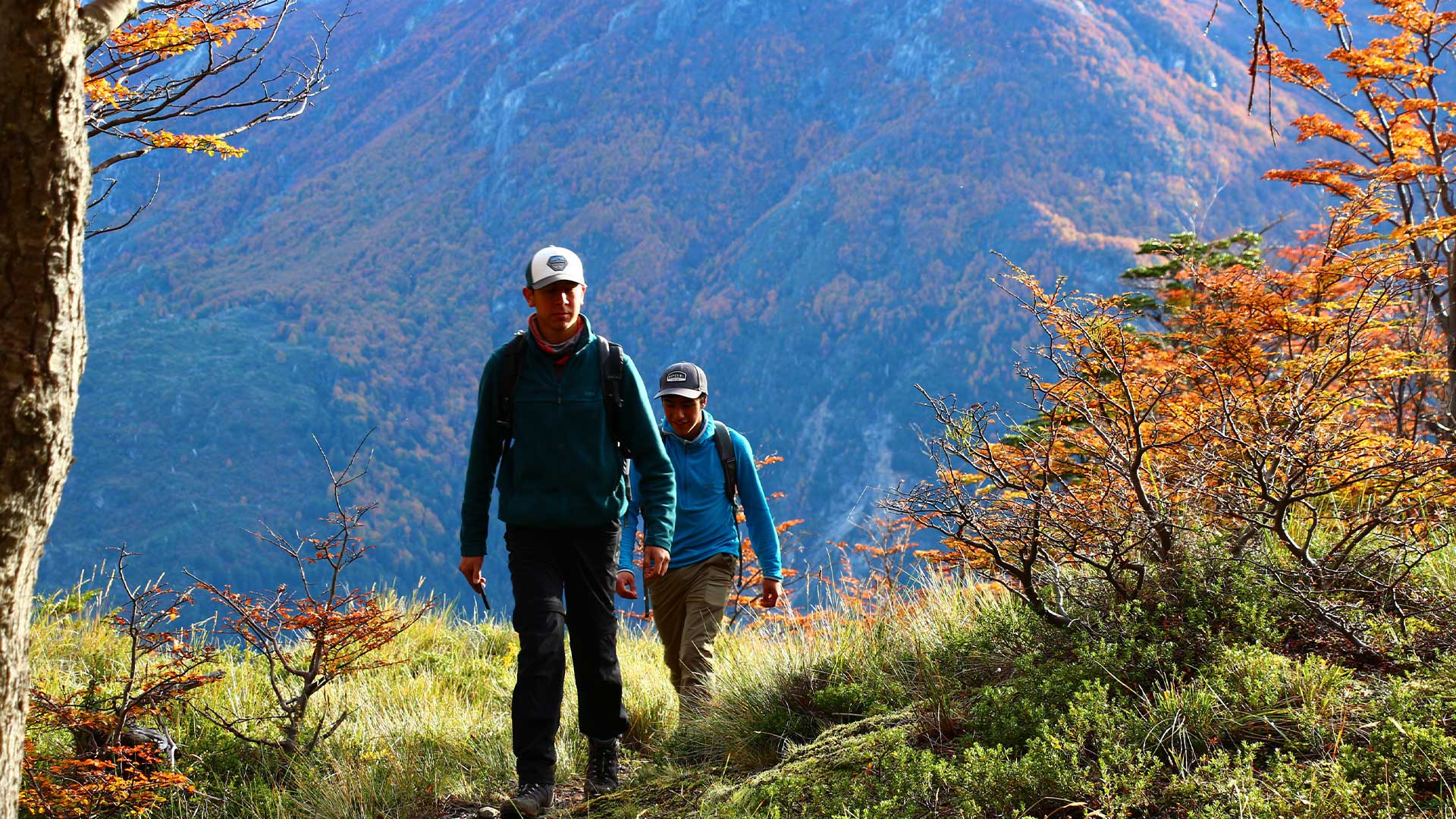
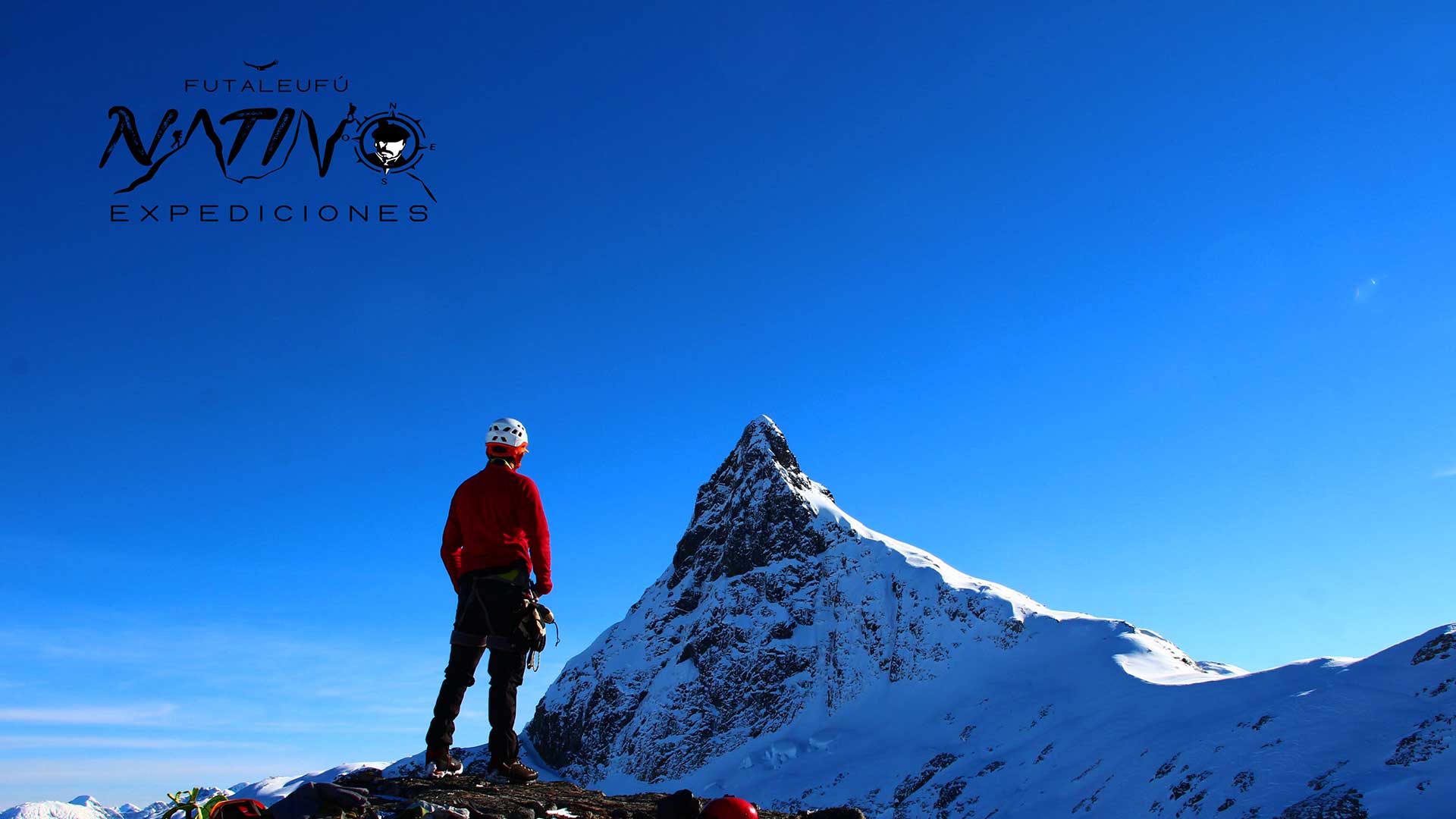
HIGH MOUNTAIN
nativo-expediciones-futaleufu_mountain
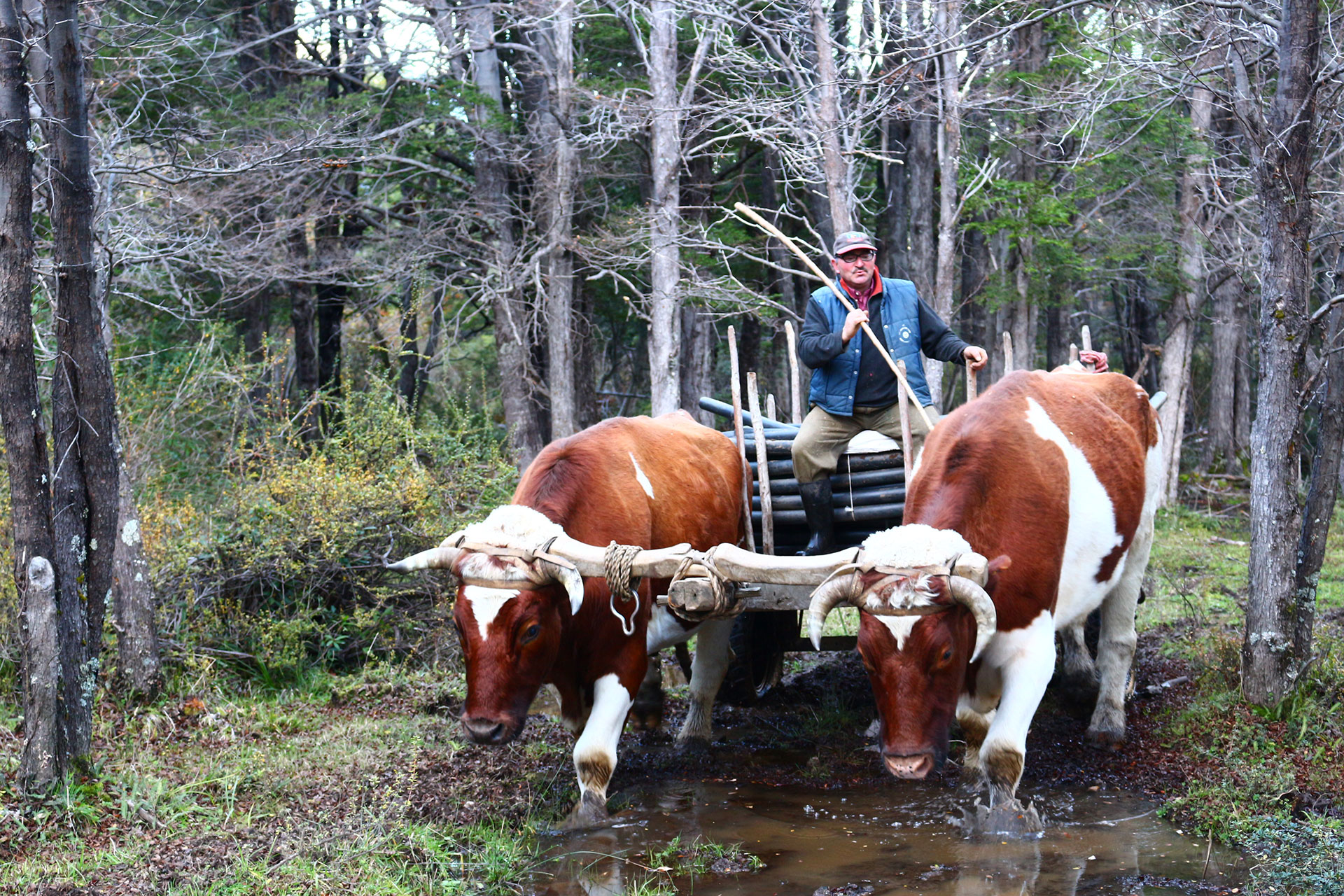
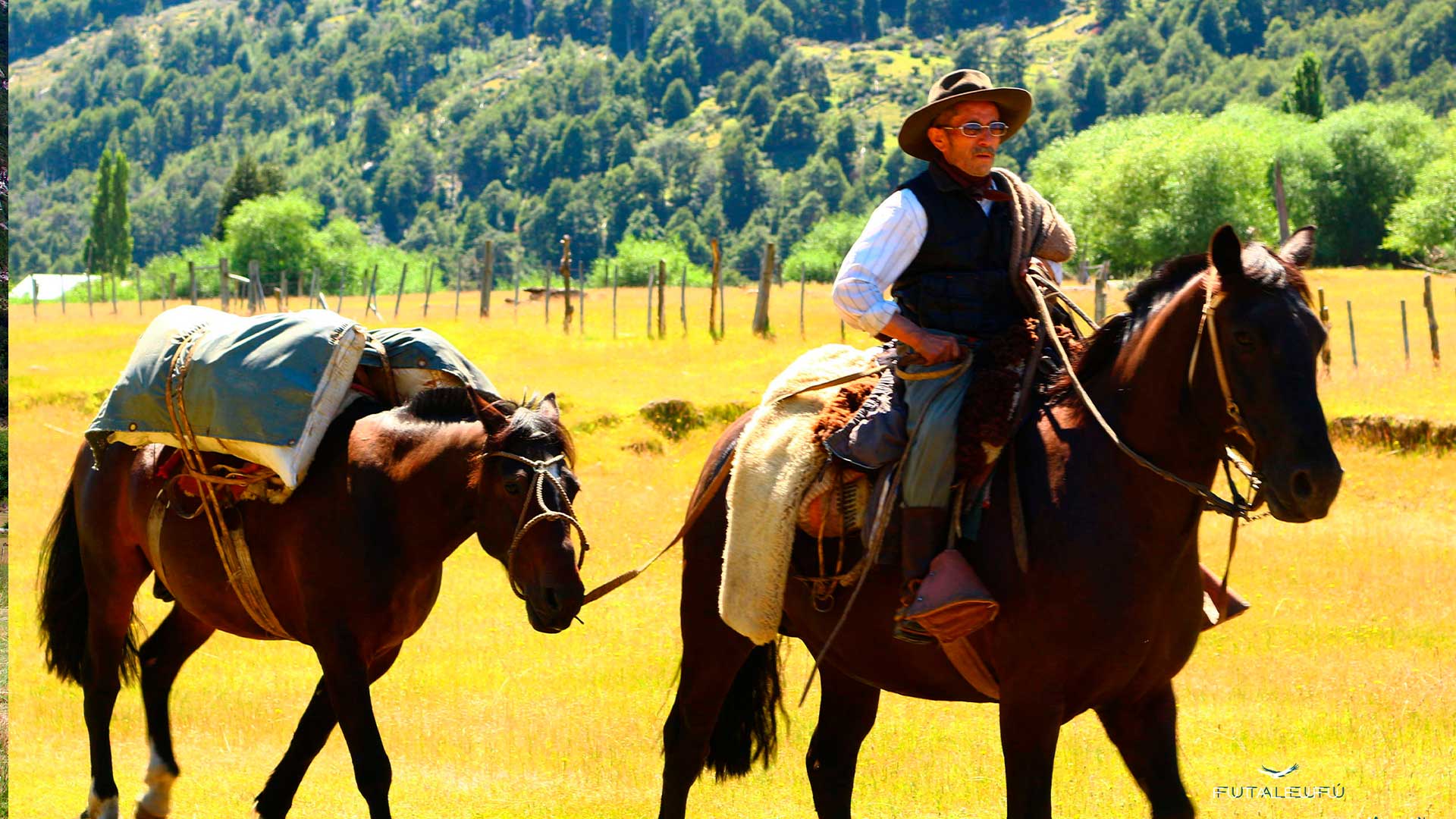
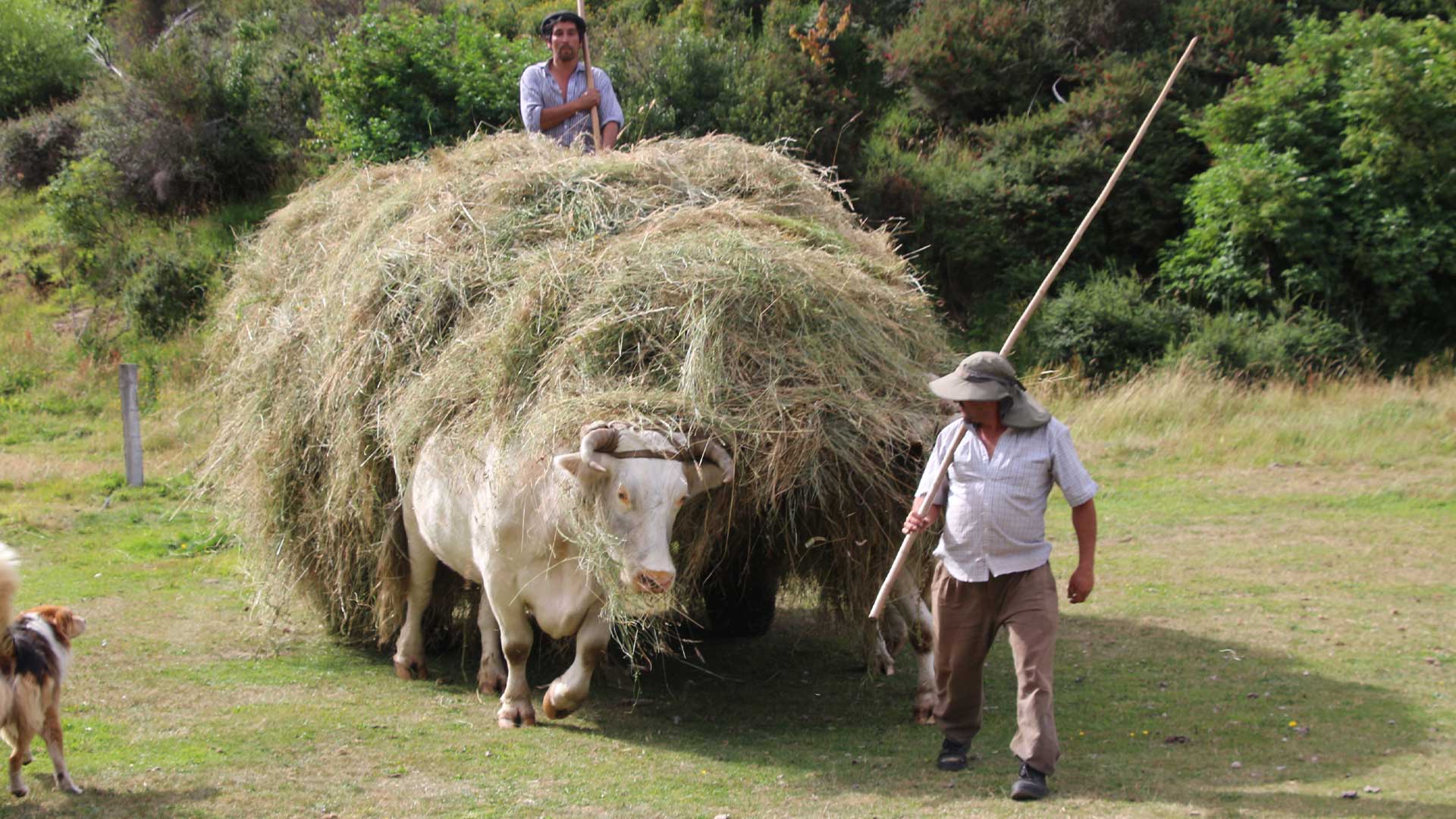
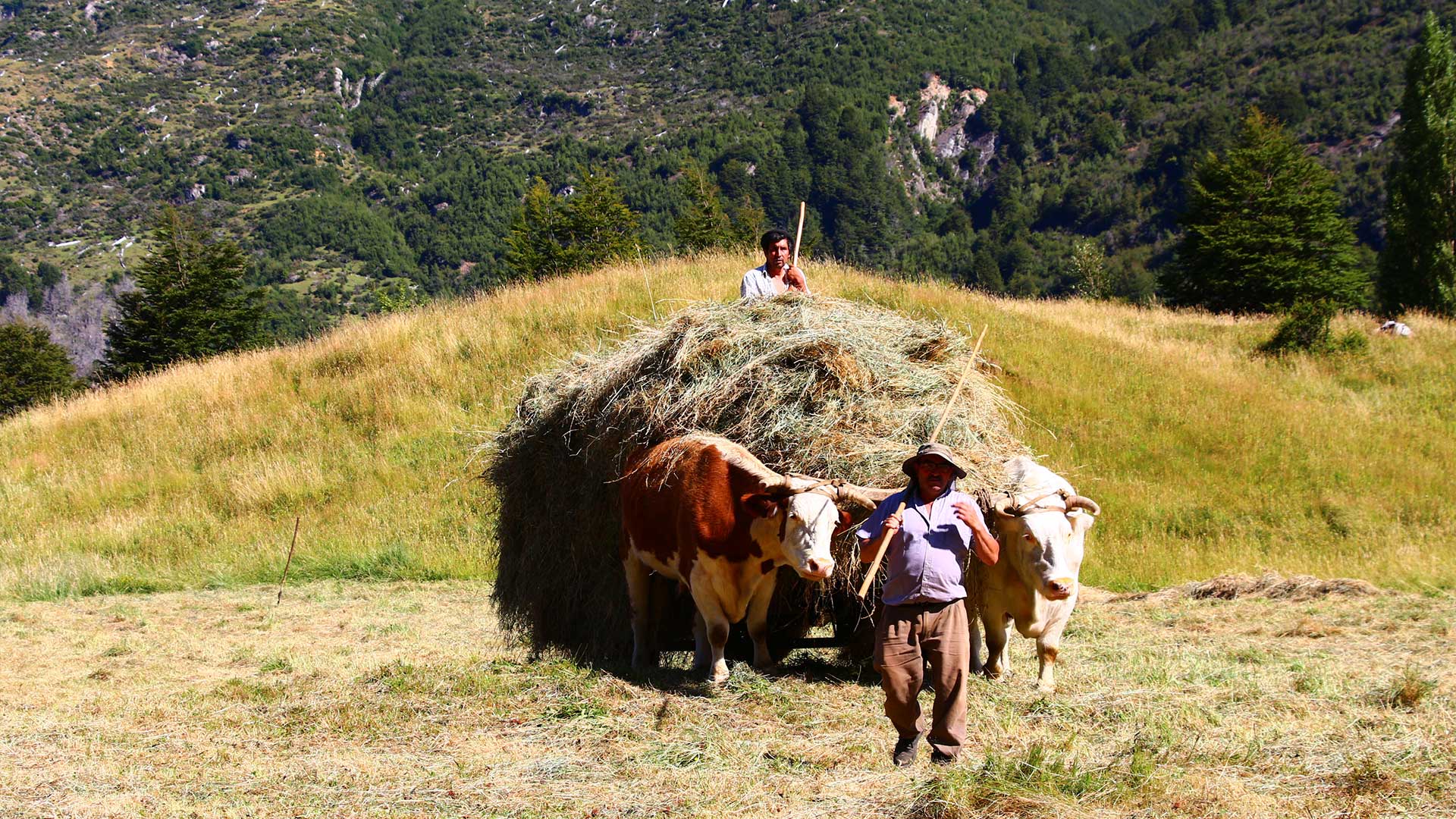
RURAL TOURISM
nativo-expediciones-futaleufu_turismo_ruraljpg

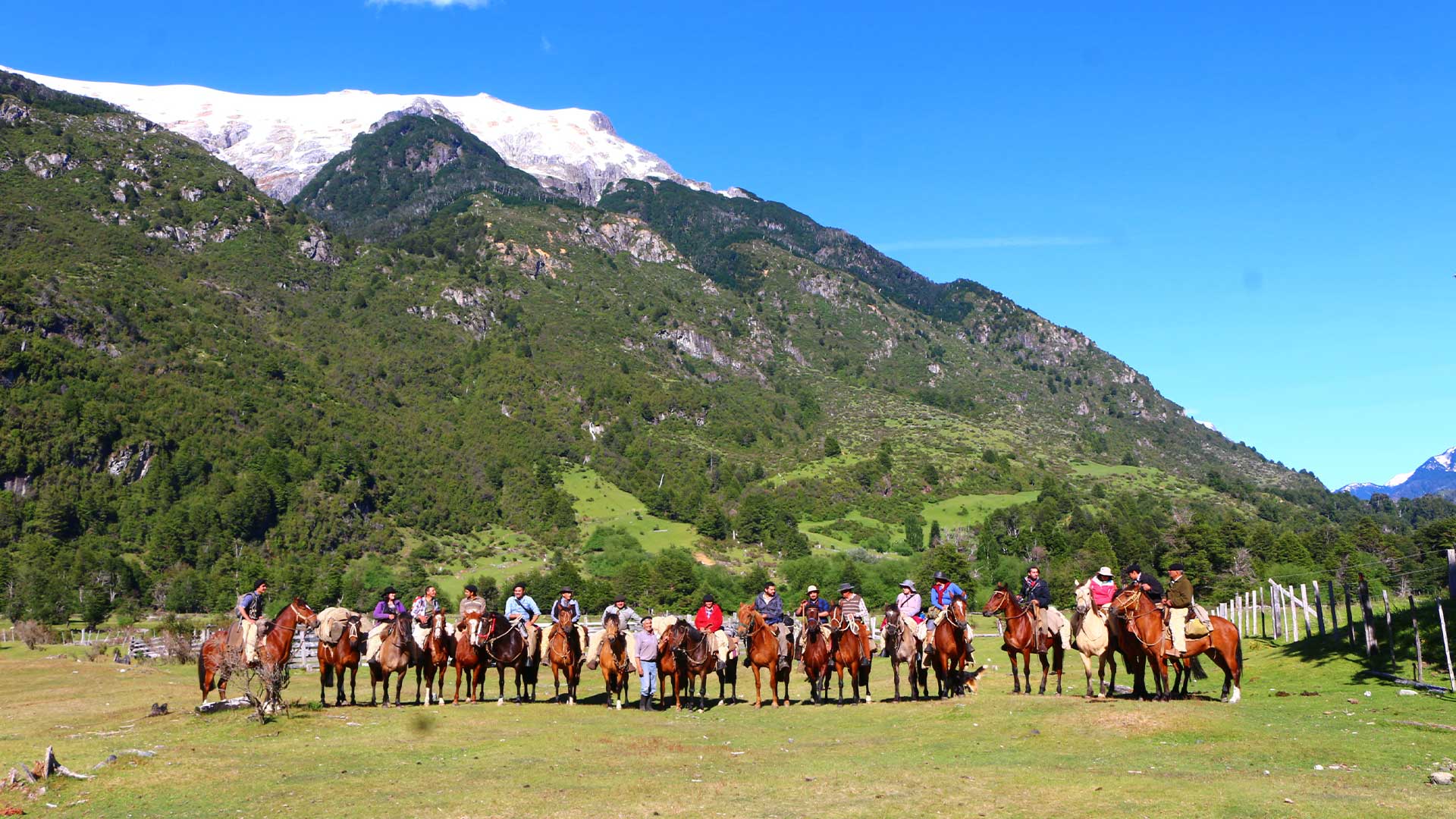
Futaleufú Nativo Expediciones is dedicated to offering adventure tourism experiences. Our goal is to provide nature-based activities including mountain expeditions, trekking, flora and fauna watching, and authentic rural experiences, all through inclusive activities and scheduled interpretive circuits.

The objective is to ensure that everyone, regardless of their abilities or needs, can fully enjoy the tourism experience. This involves eliminating physical and communication barriers, allowing everyone—including those with disabilities or reduced mobility—to have equal opportunities to access, participate in, and enjoy the main purpose of a tourist circuit: offering our visitors a complete and organized experience by efficiently connecting various destinations and attractions within the commune. This allows tourists to visit several points of interest in a single trip, optimizing both time and resources. Furthermore, this tourist circuit seeks to promote the local culture and heritage, generate income for the surrounding local community, and offer a unique and memorable experience, fostering participation and respect for local culture and tradition.

Sustainable and Inclusive Tourism

Responsible Practices for Environmental Protection

Futaleufú Nativo Expediciones implements sustainable strategies including waste reduction, efficient use of natural resources, and the promotion of conscious tourism.

Futaleufú is

CULTURE, ADVENTURE AND TRADITION

WINTER

MOUNTAIN

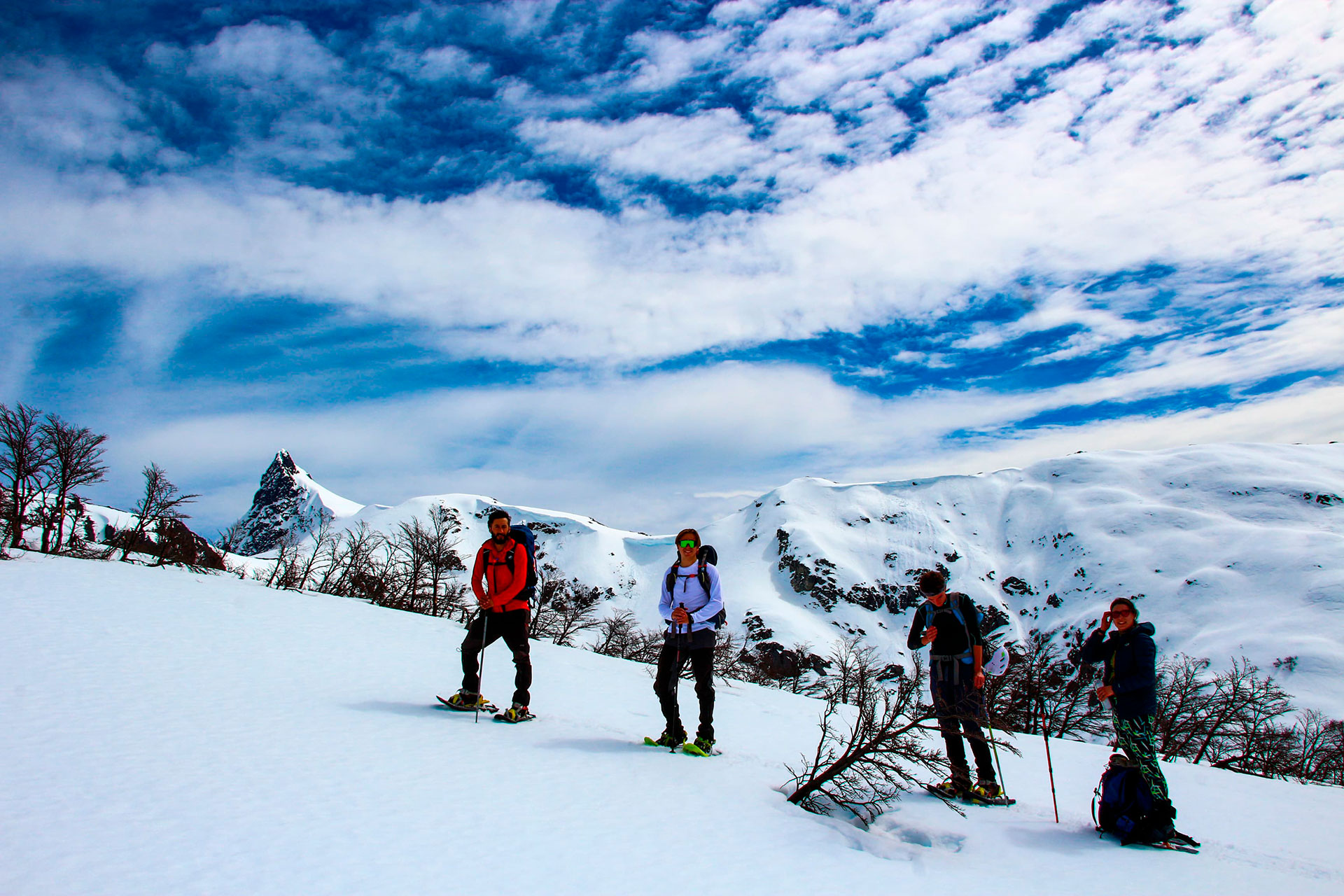
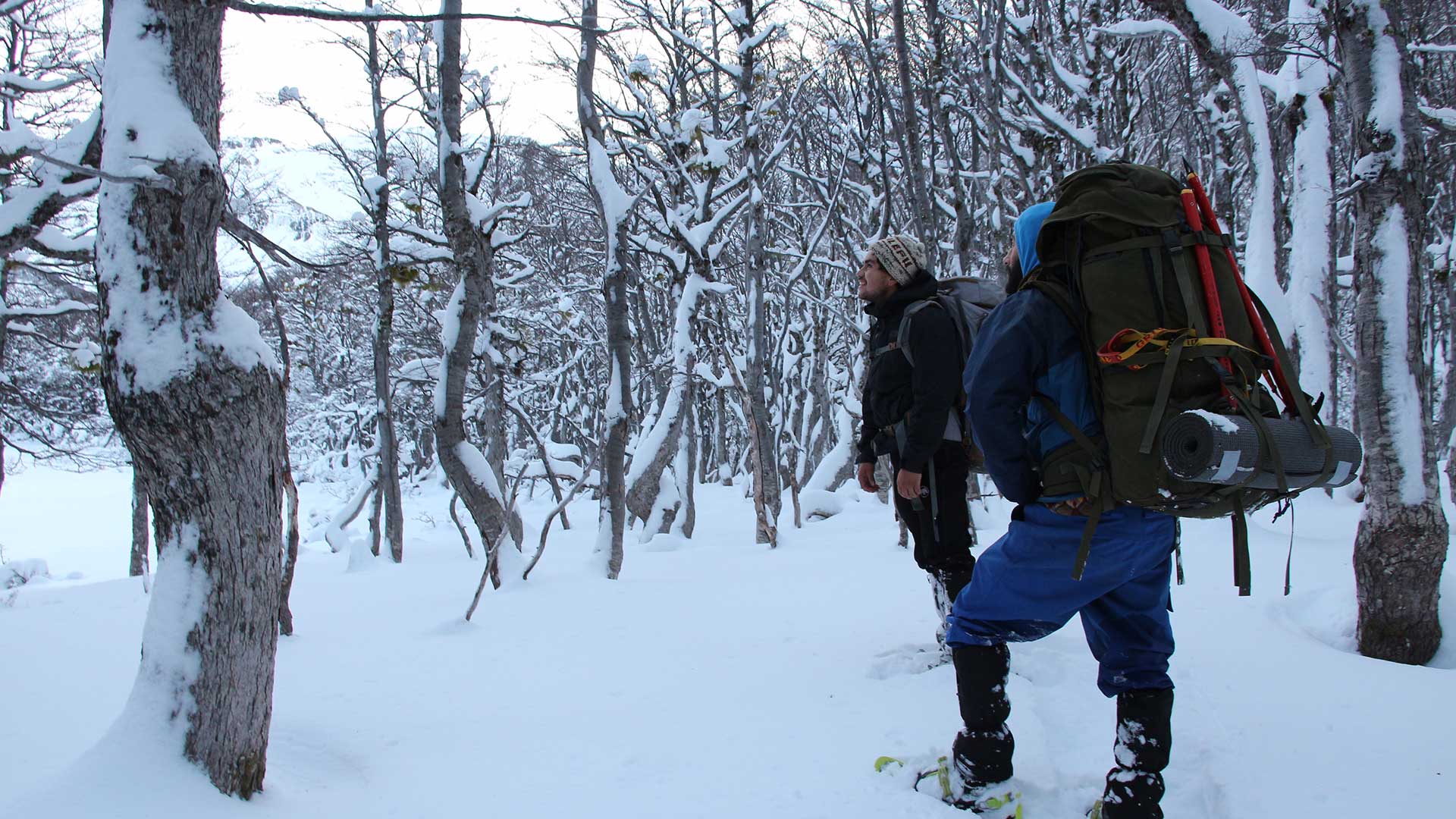
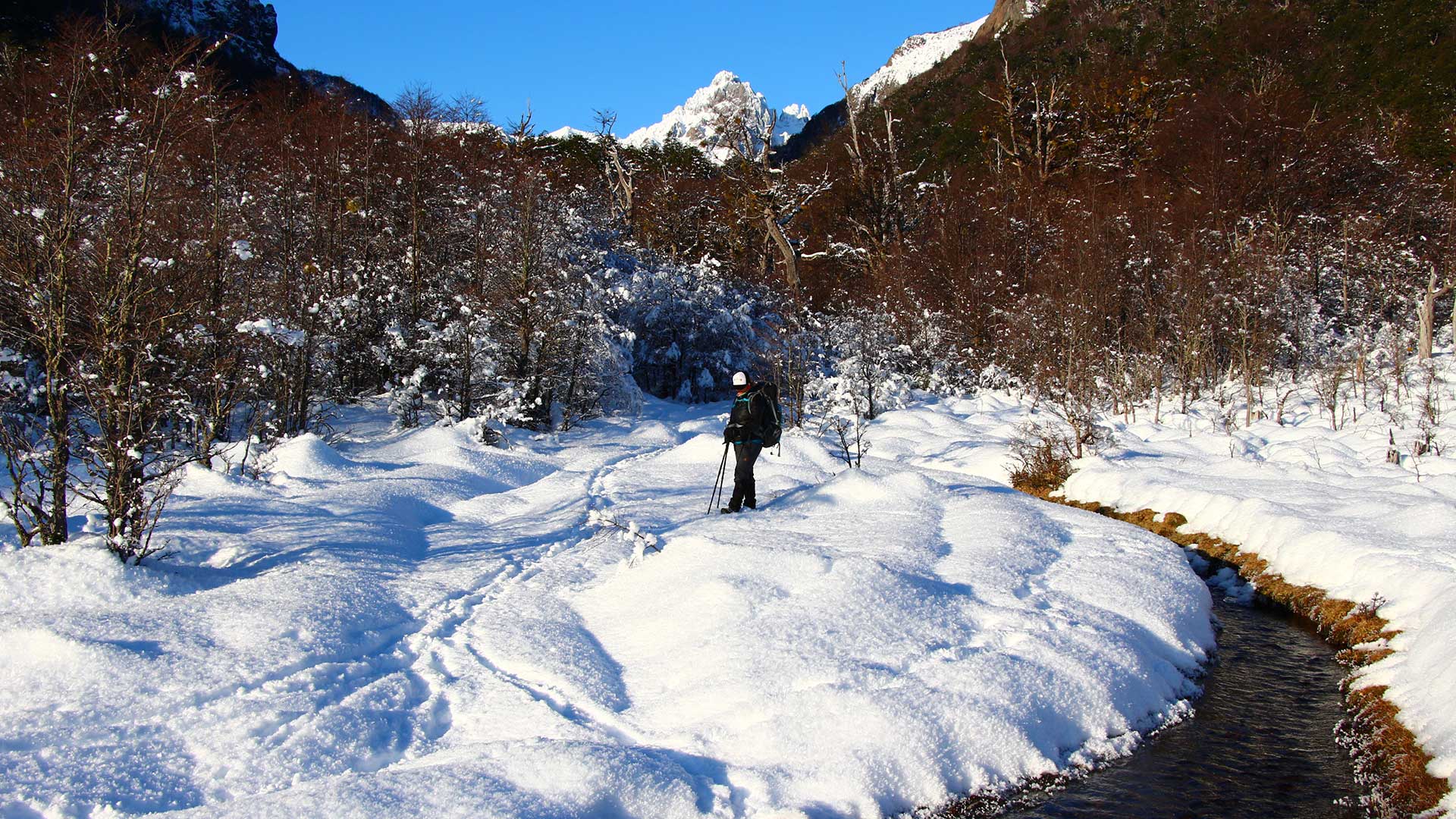
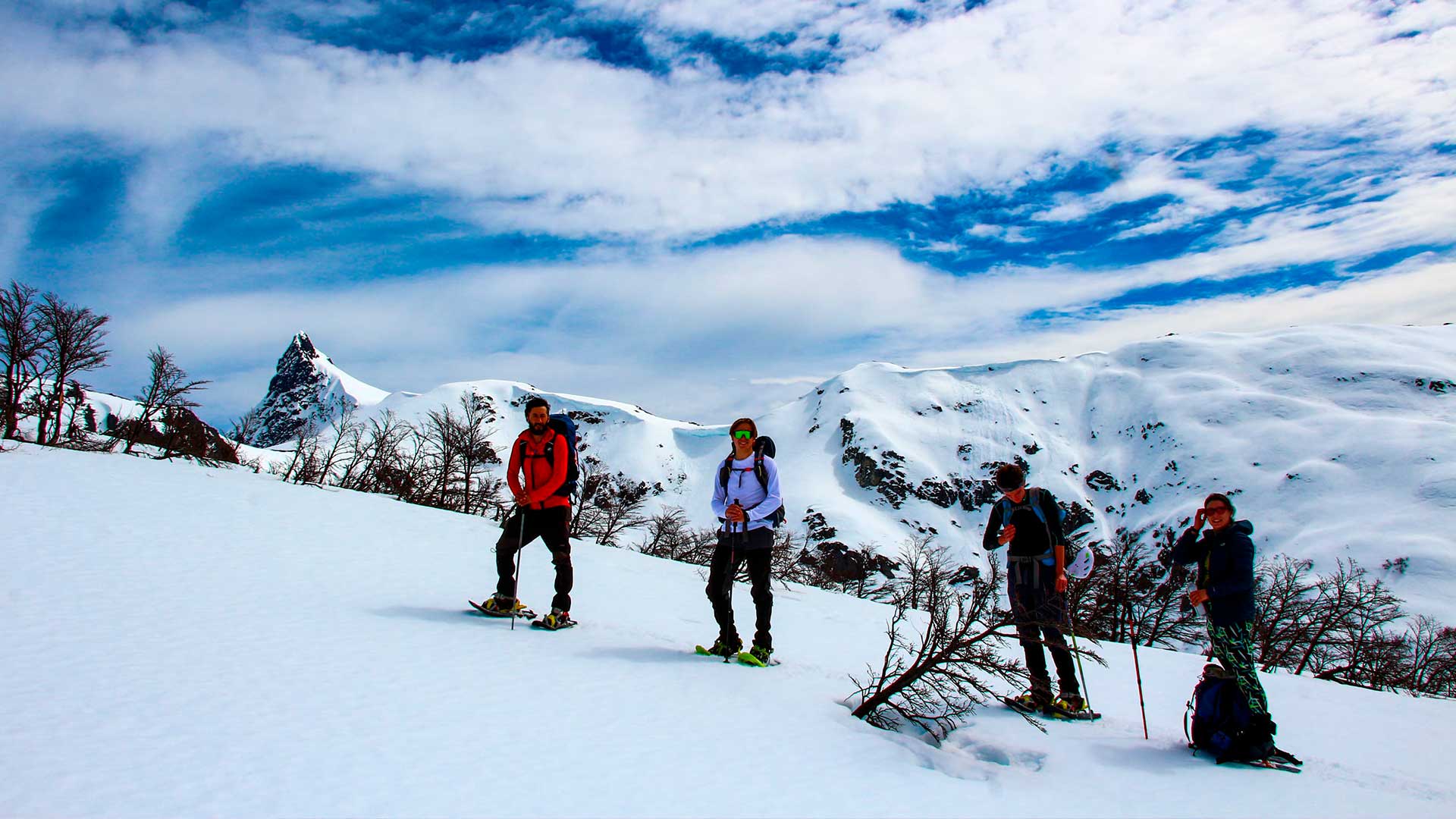
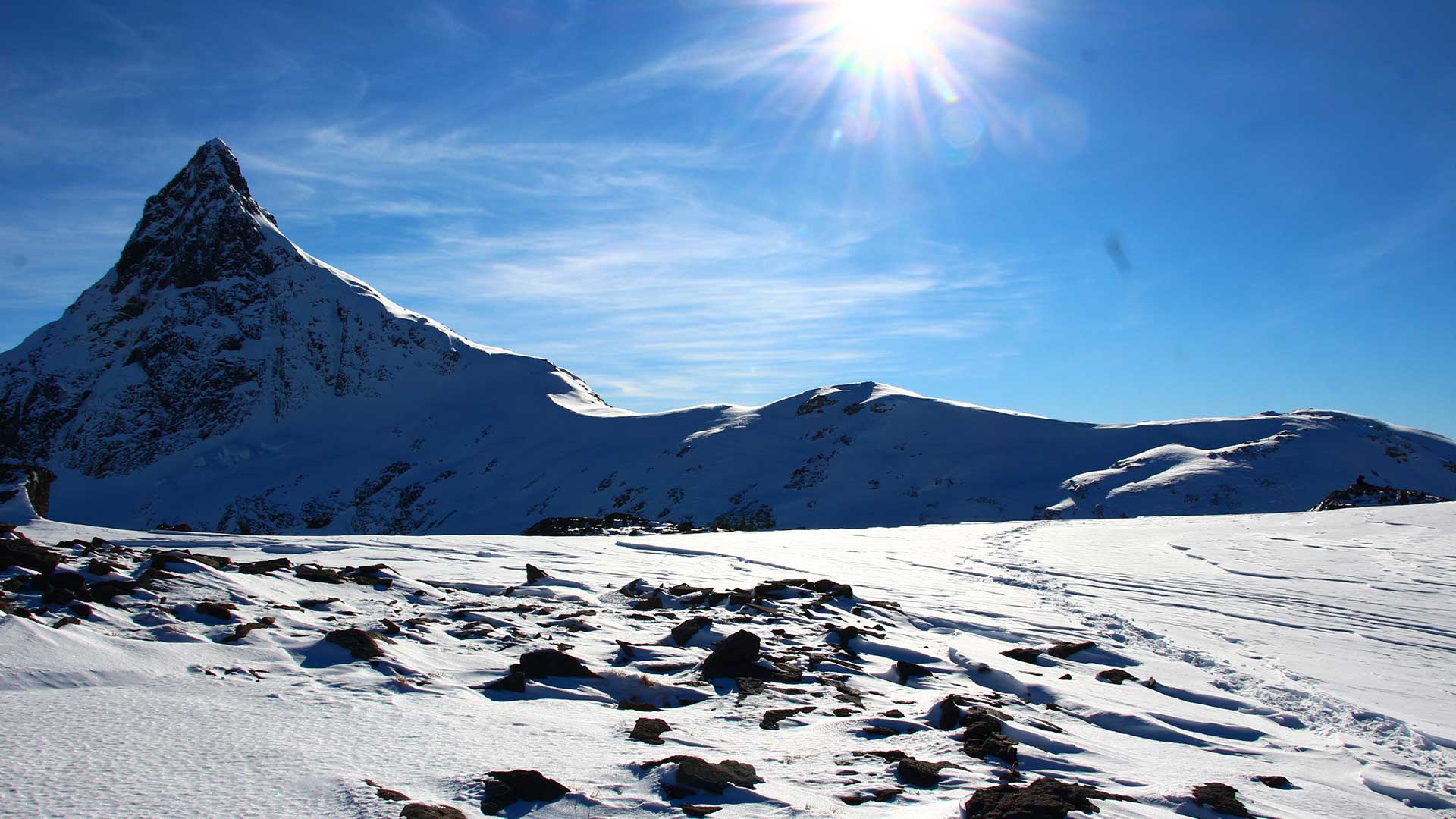
Winter mountain tourism features sports and recreational activities in the snow, such as skiing, snowshoeing, or hiking. It requires specific technical equipment, three-layer clothing for the cold, and careful planning due to avalanche risks and changing weather conditions.

WALK WITH US

Live a Unique Experience

LOCAL GUIDES, EXPERTS IN THE AREA, ITS PEOPLE, AND CUSTOMS.

TREKKING

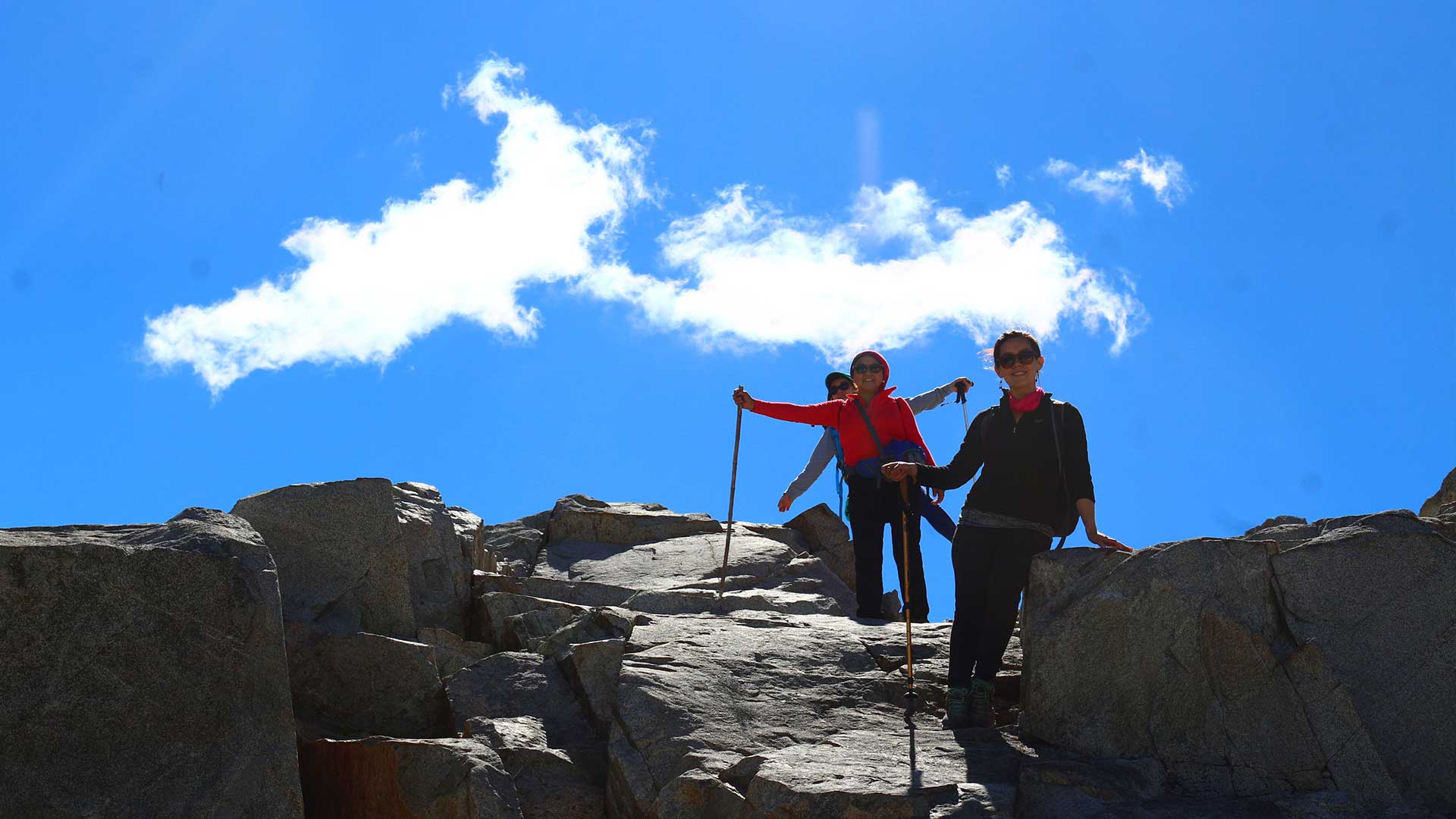
Mountain trekking

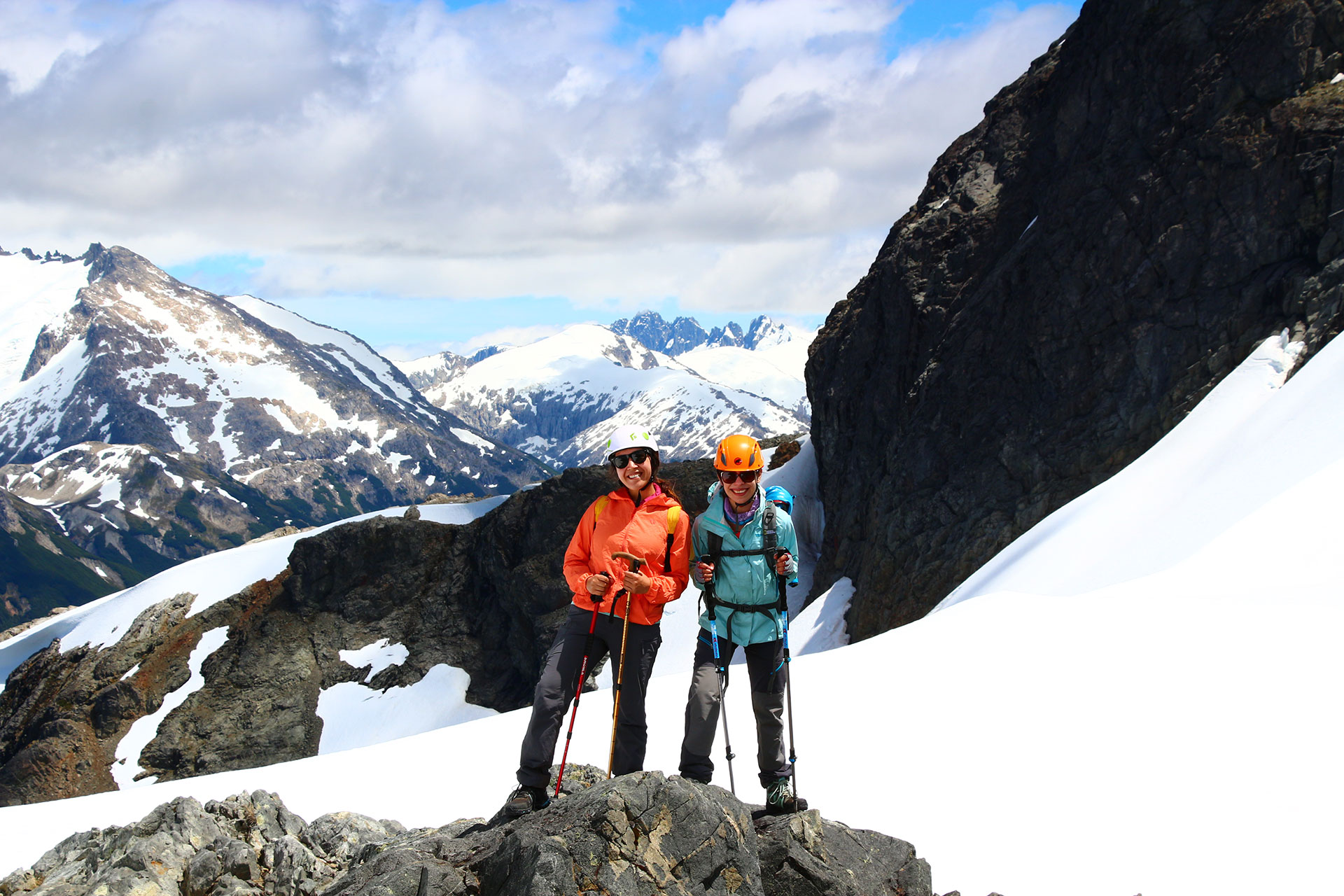
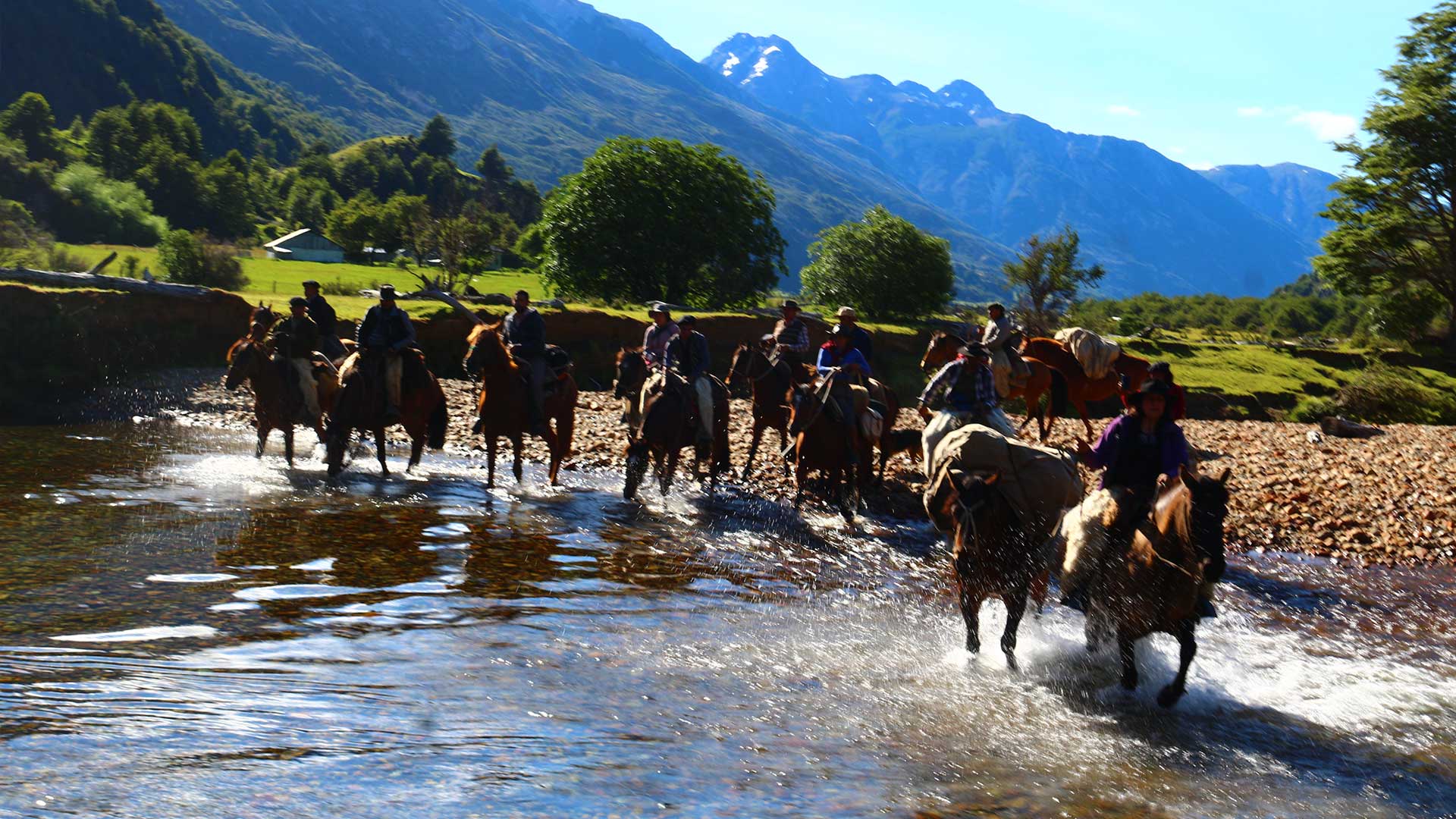
Mountain trekking is characterized by hikes lasting one or several days through challenging mountain terrain. It requires good physical conditioning, the use of specialized equipment—such as tents, trekking poles, and high-capacity backpacks—and a basic knowledge of mountaineering to handle changing weather conditions and difficult terrain.

Nature Trails

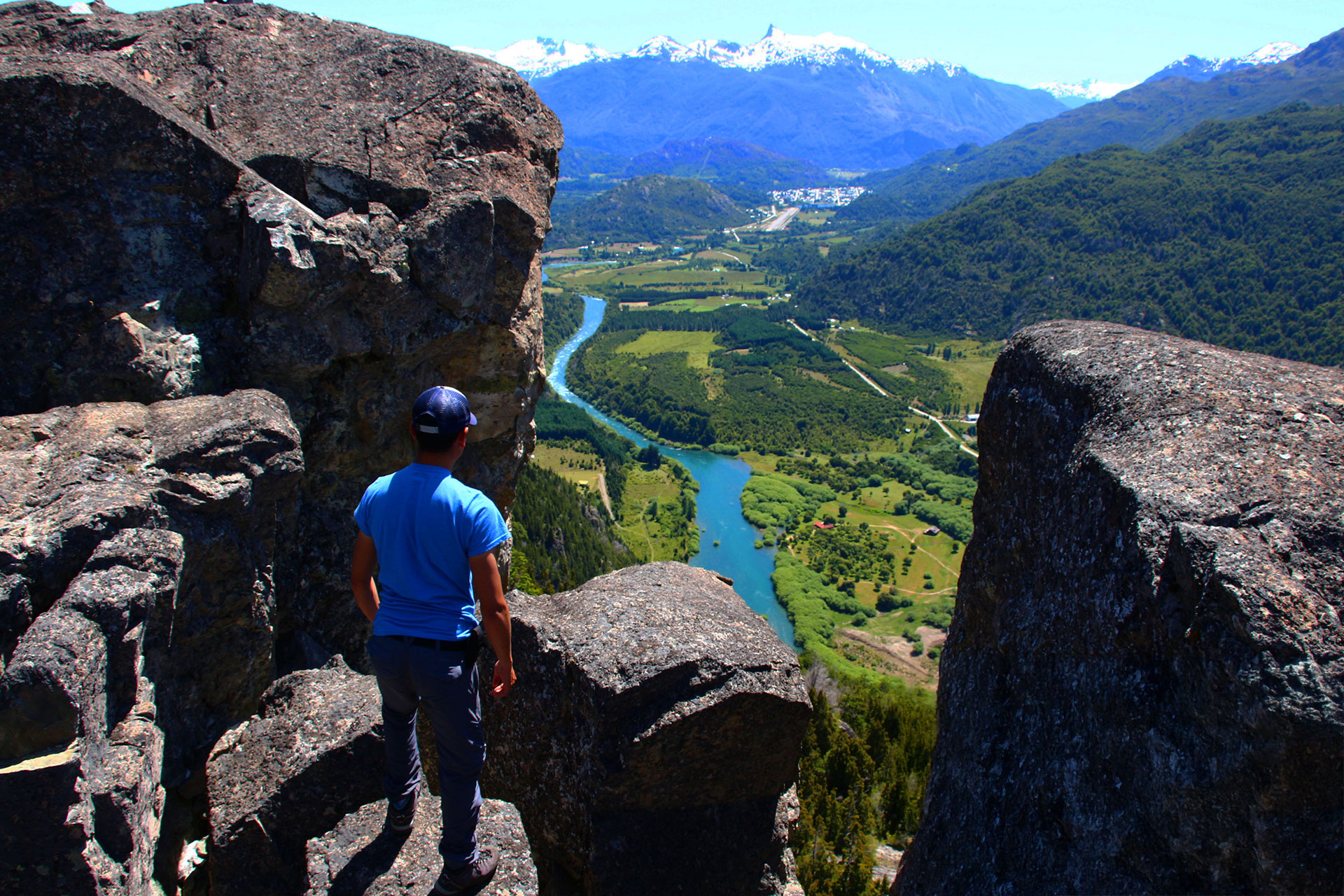
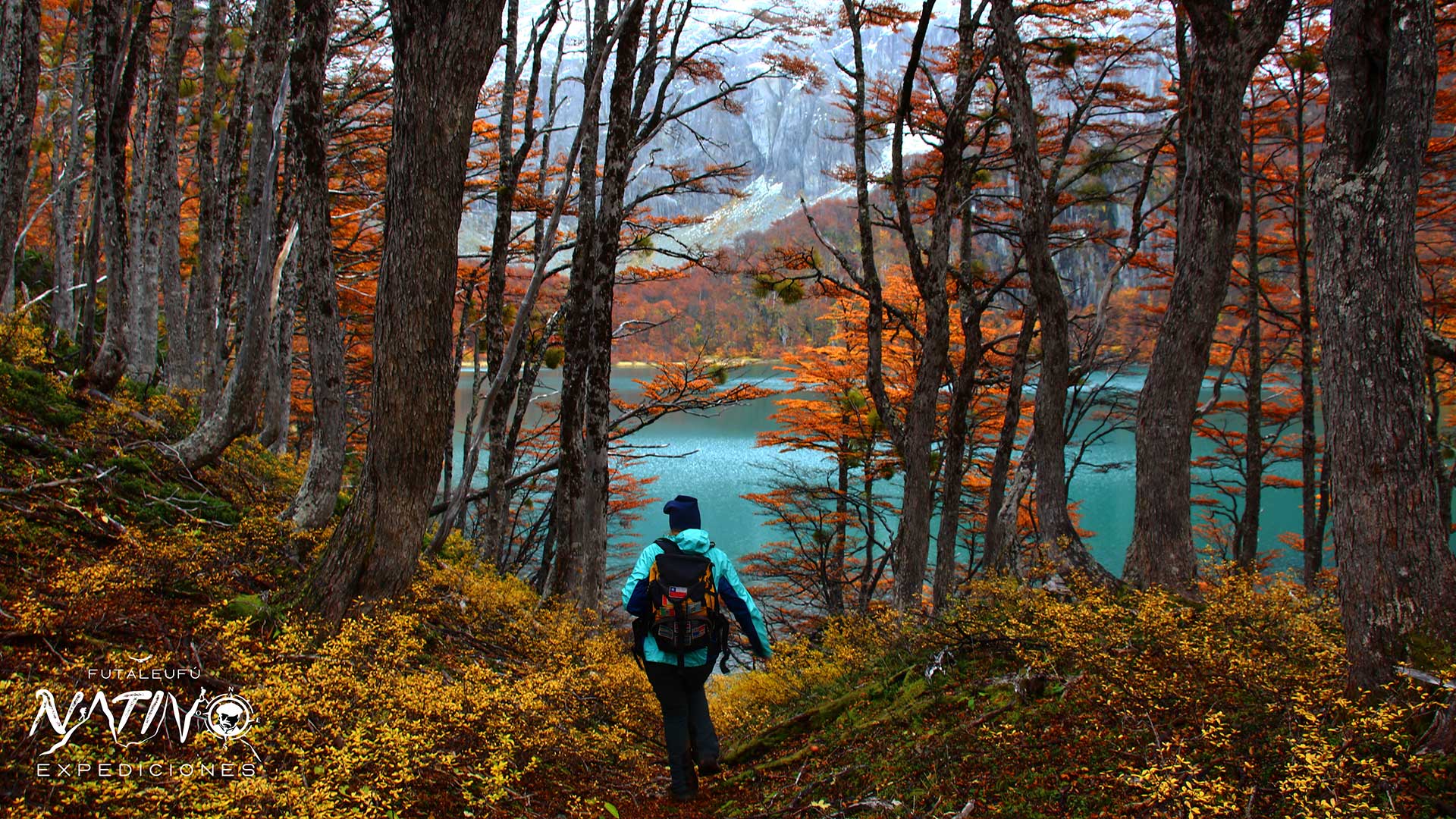
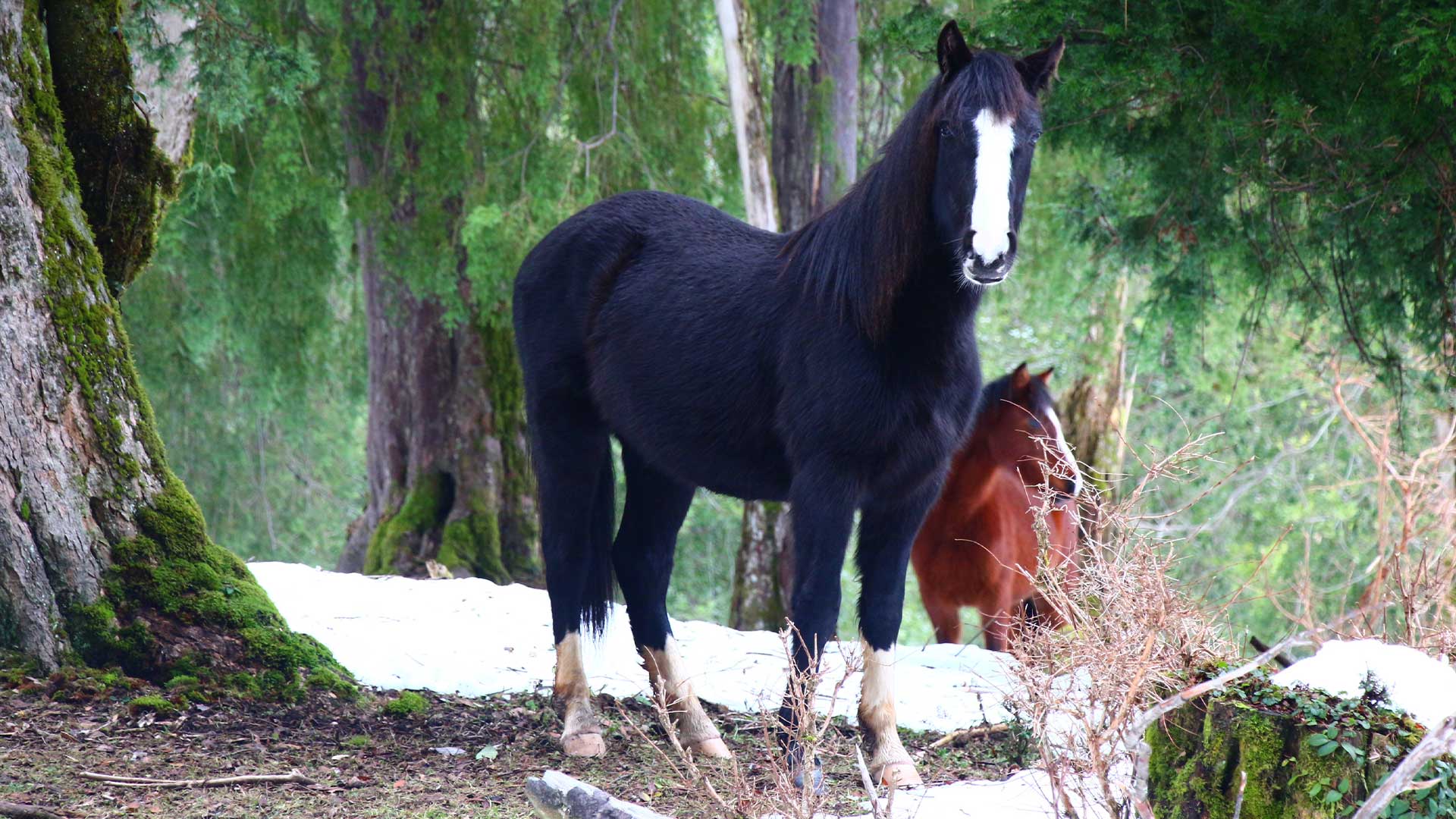
We offer trekking along natural trails where visitors can enjoy the local flora and fauna, promoting the appreciation of the natural environment in its pristine state.

Birdwatching

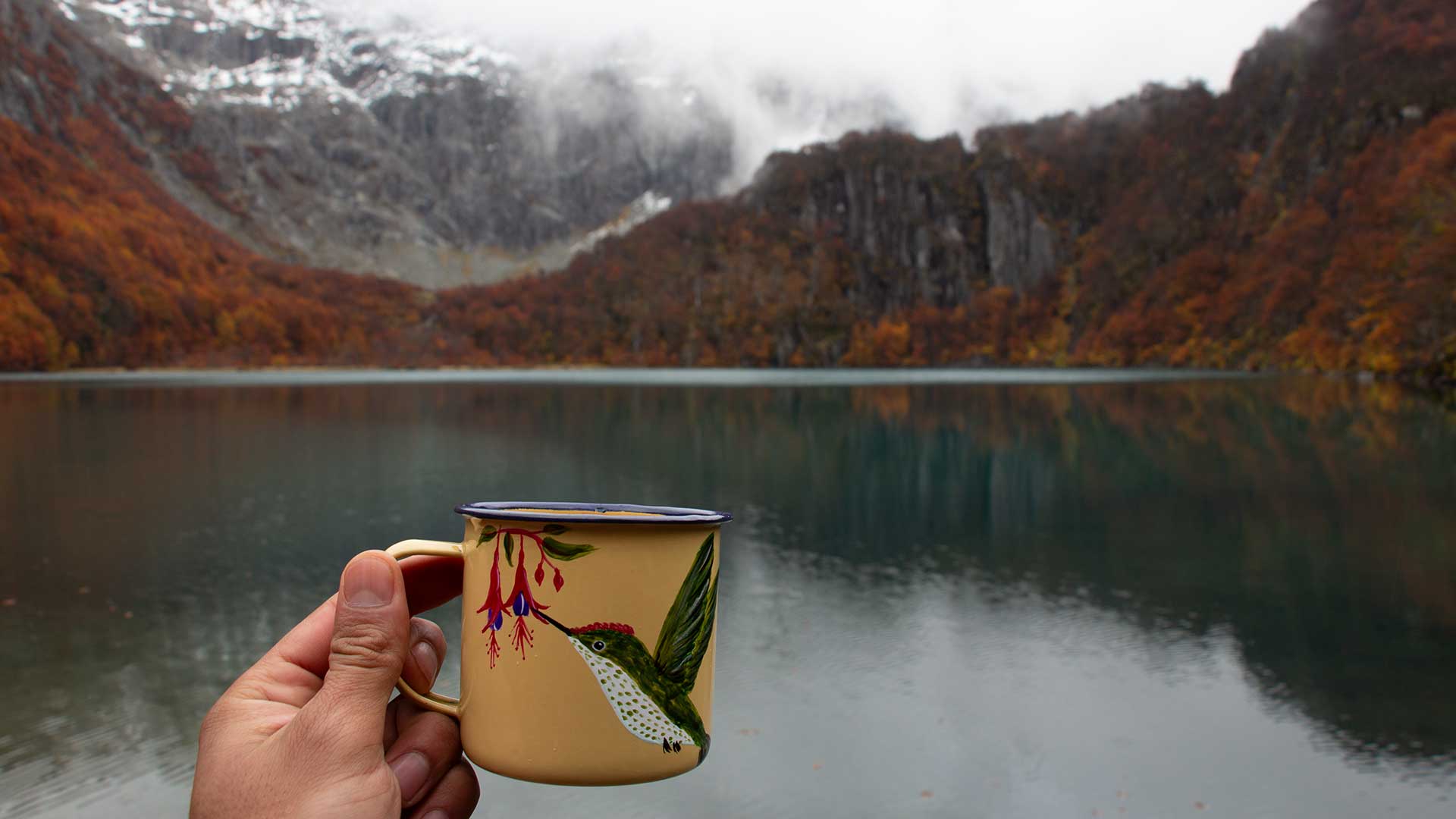
Birdwatching tourism is a form of ecotourism that consists of observing and enjoying birds in their natural habitat, understanding their behaviors and ecosystems. This activity not only offers the opportunity to connect with nature but also seeks to foster environmental awareness, promote knowledge of birdlife and its surroundings, and can have a positive economic impact by attracting a niche tourist market.

High Mountain

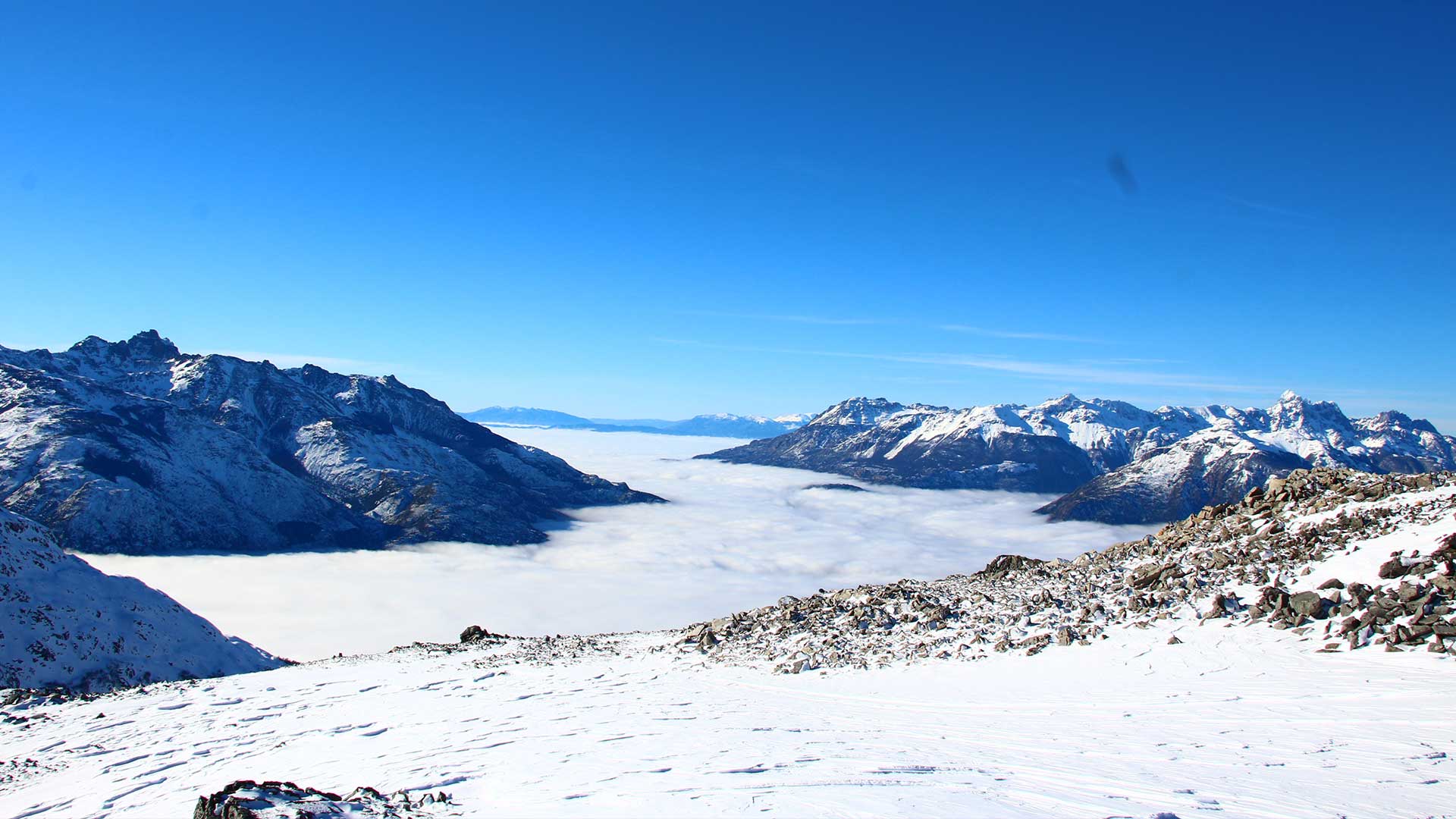
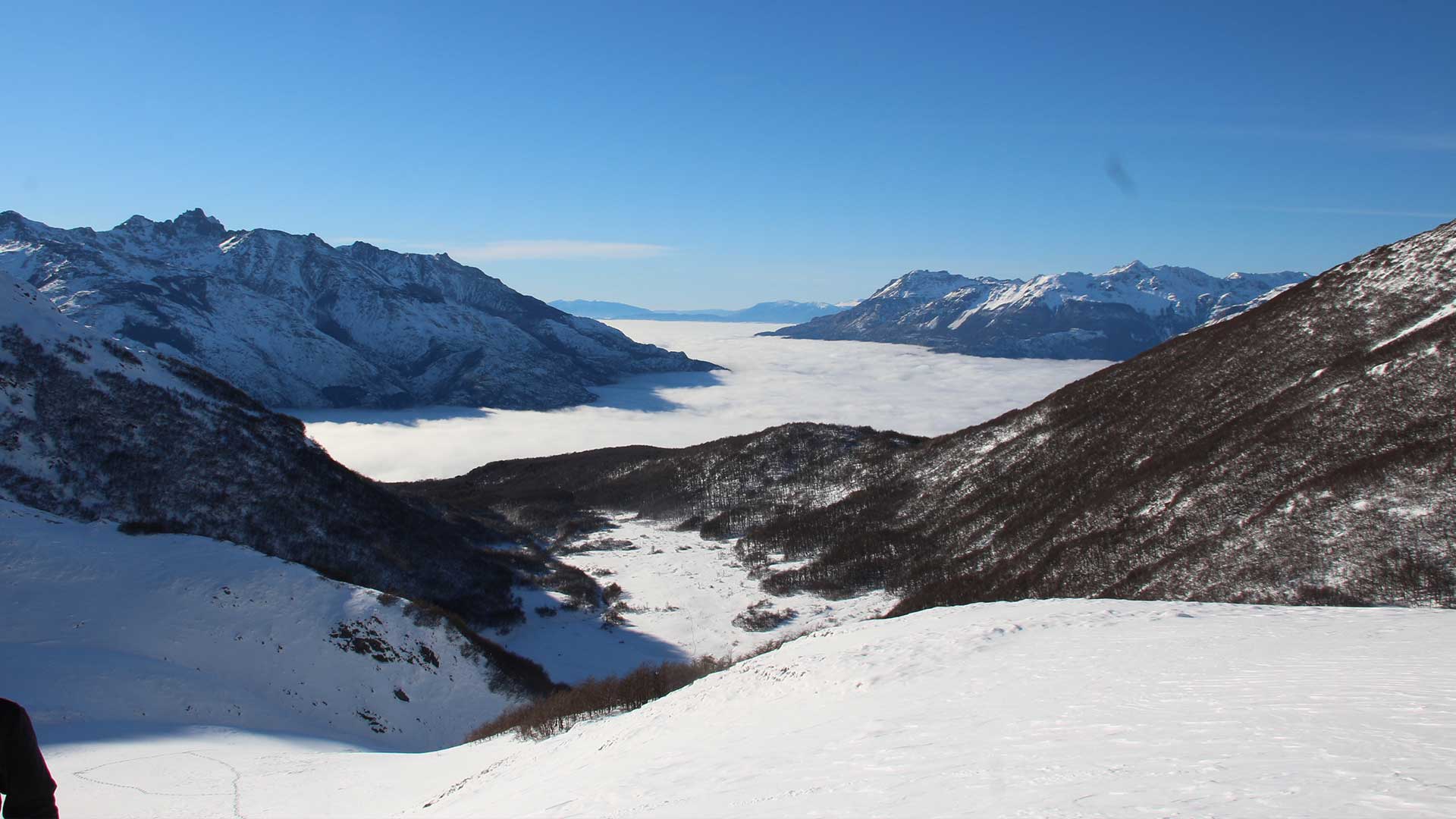
Winter mountain tourism is characterized by snow-based sports and recreational activities—such as skiing, snowshoeing, or hiking—and requires specific technical equipment and a three-layer clothing system for the cold. It demands more thorough planning due to avalanche risks and rapidly changing weather conditions, emphasizing the importance of traveling in groups to ensure safety.

Rural Tourism

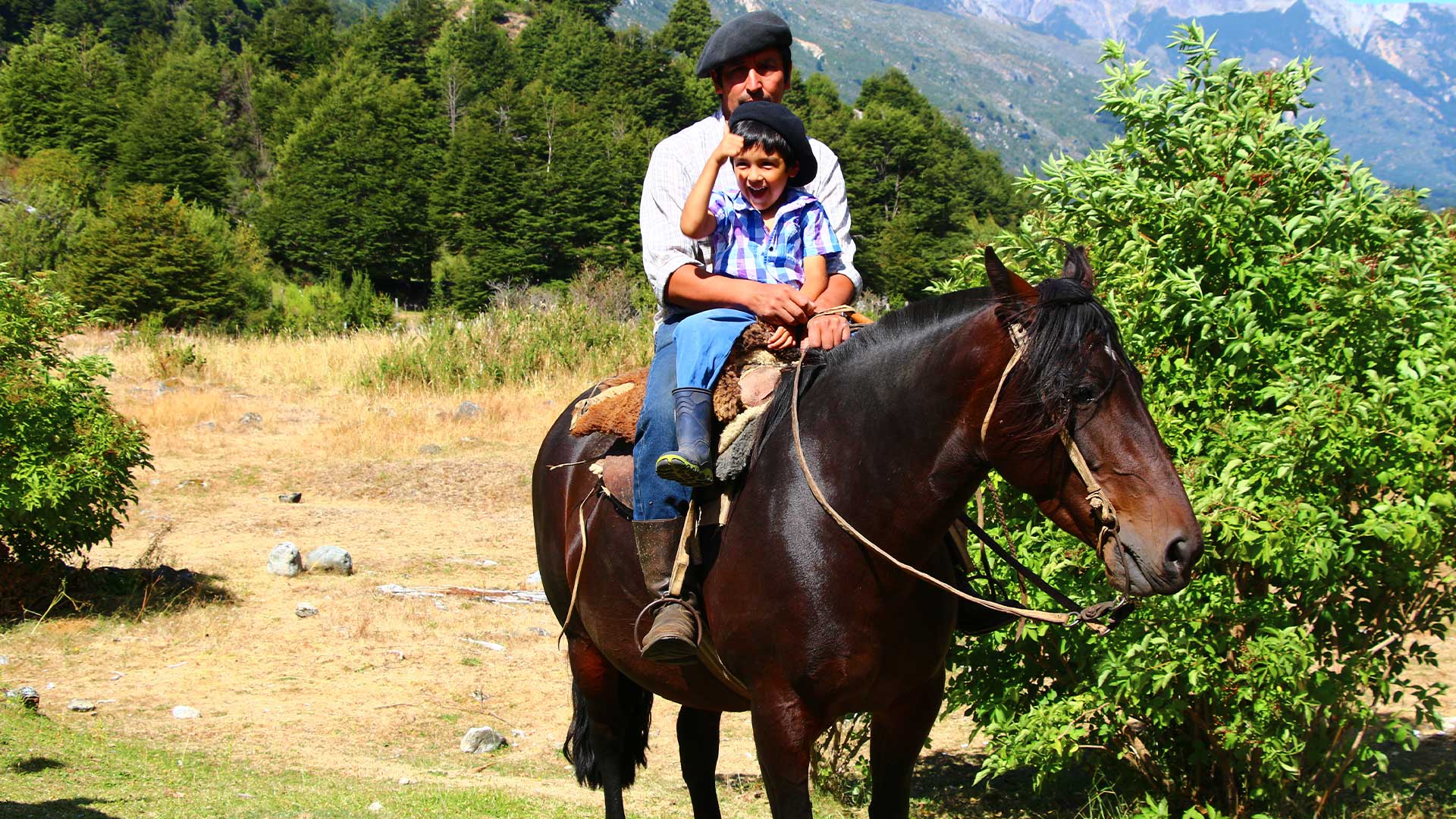
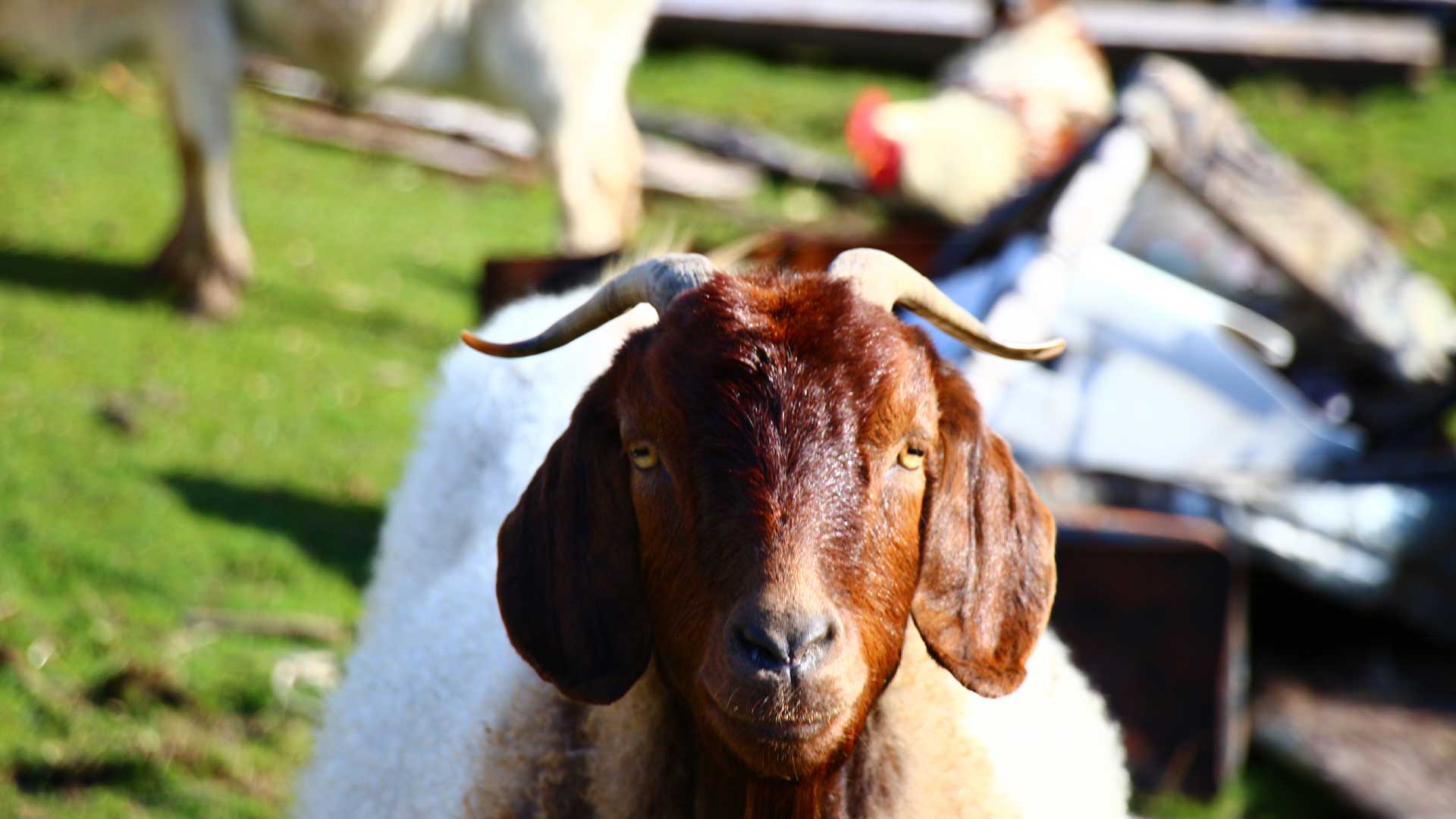
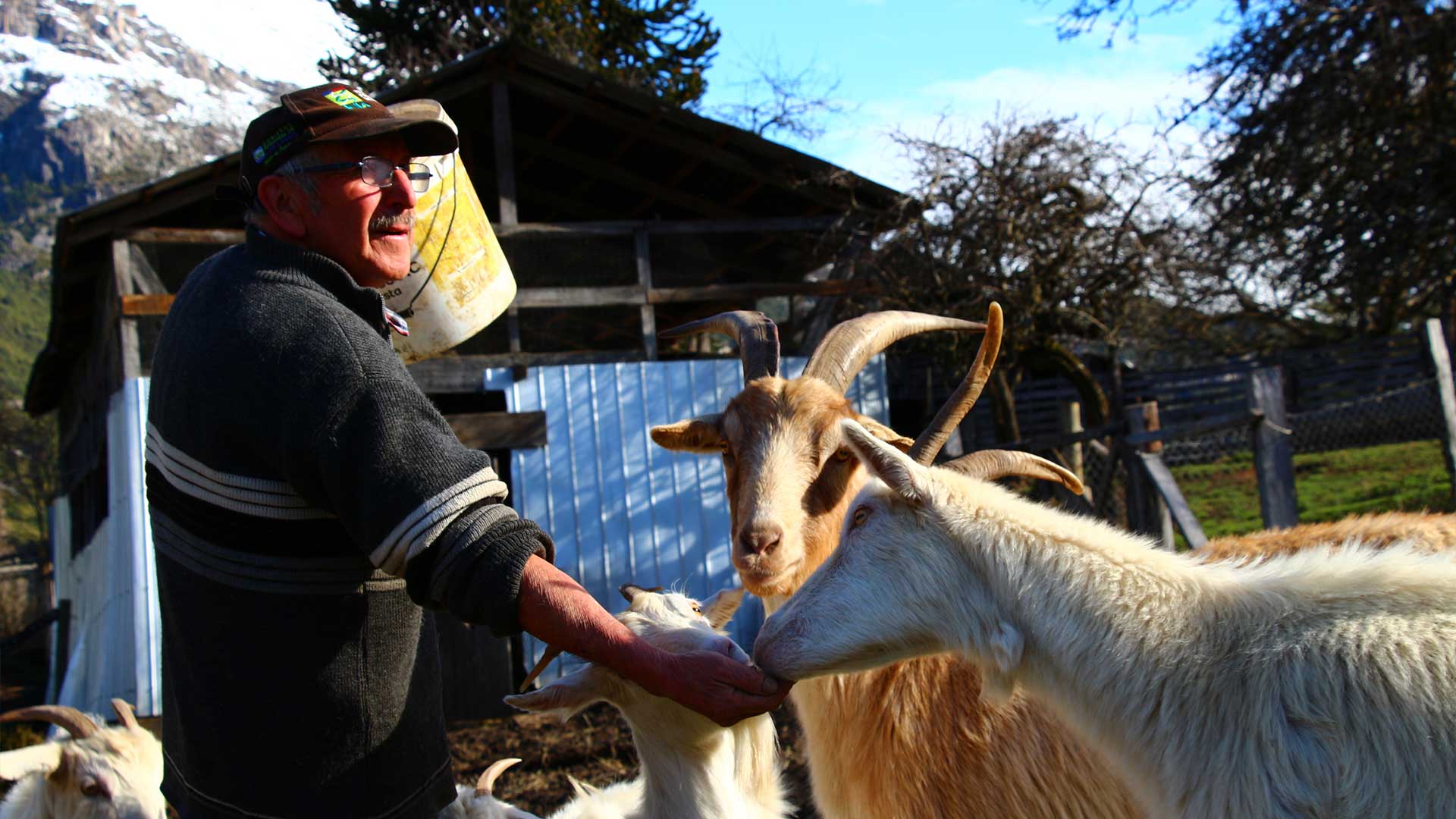
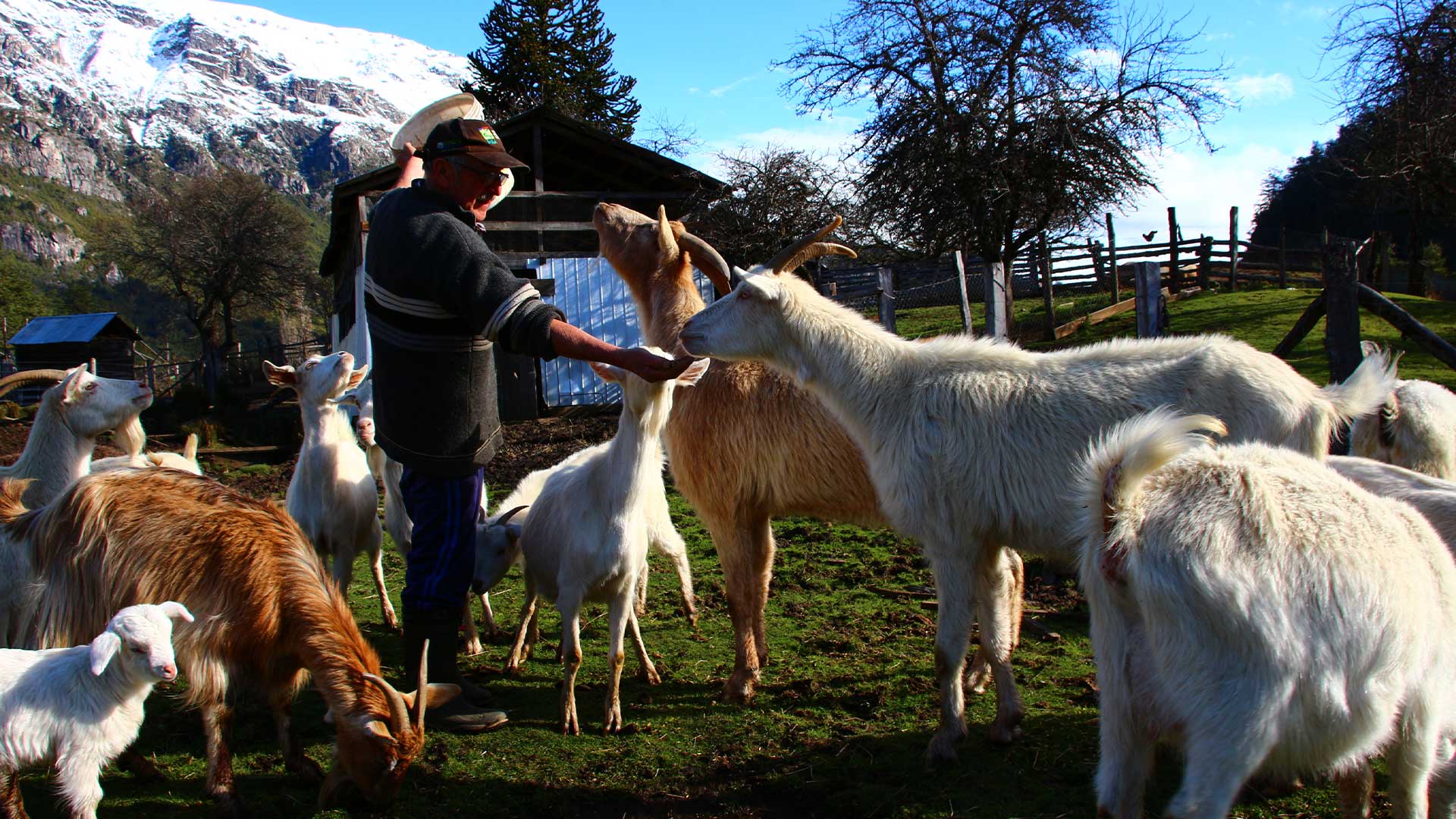
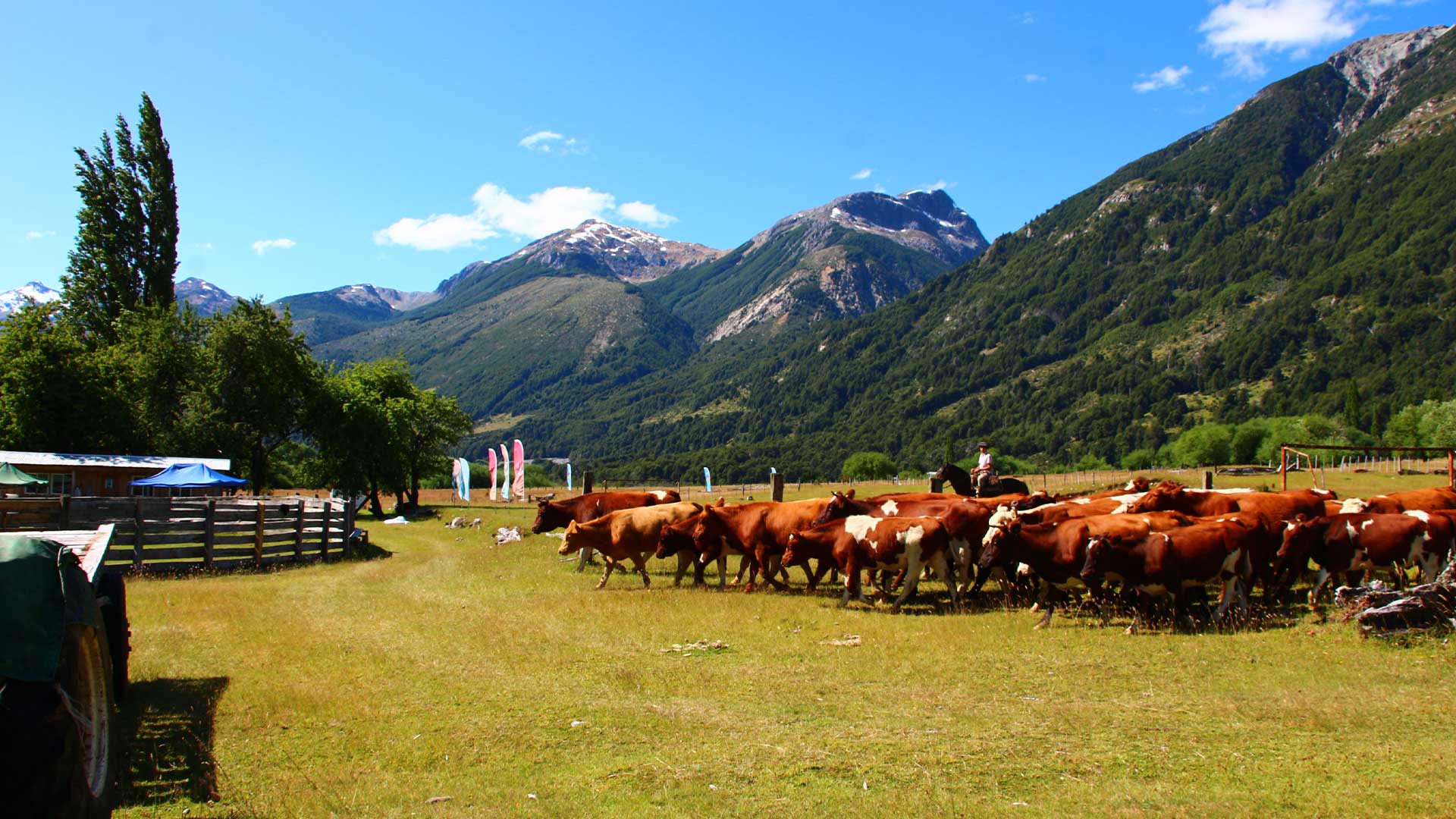
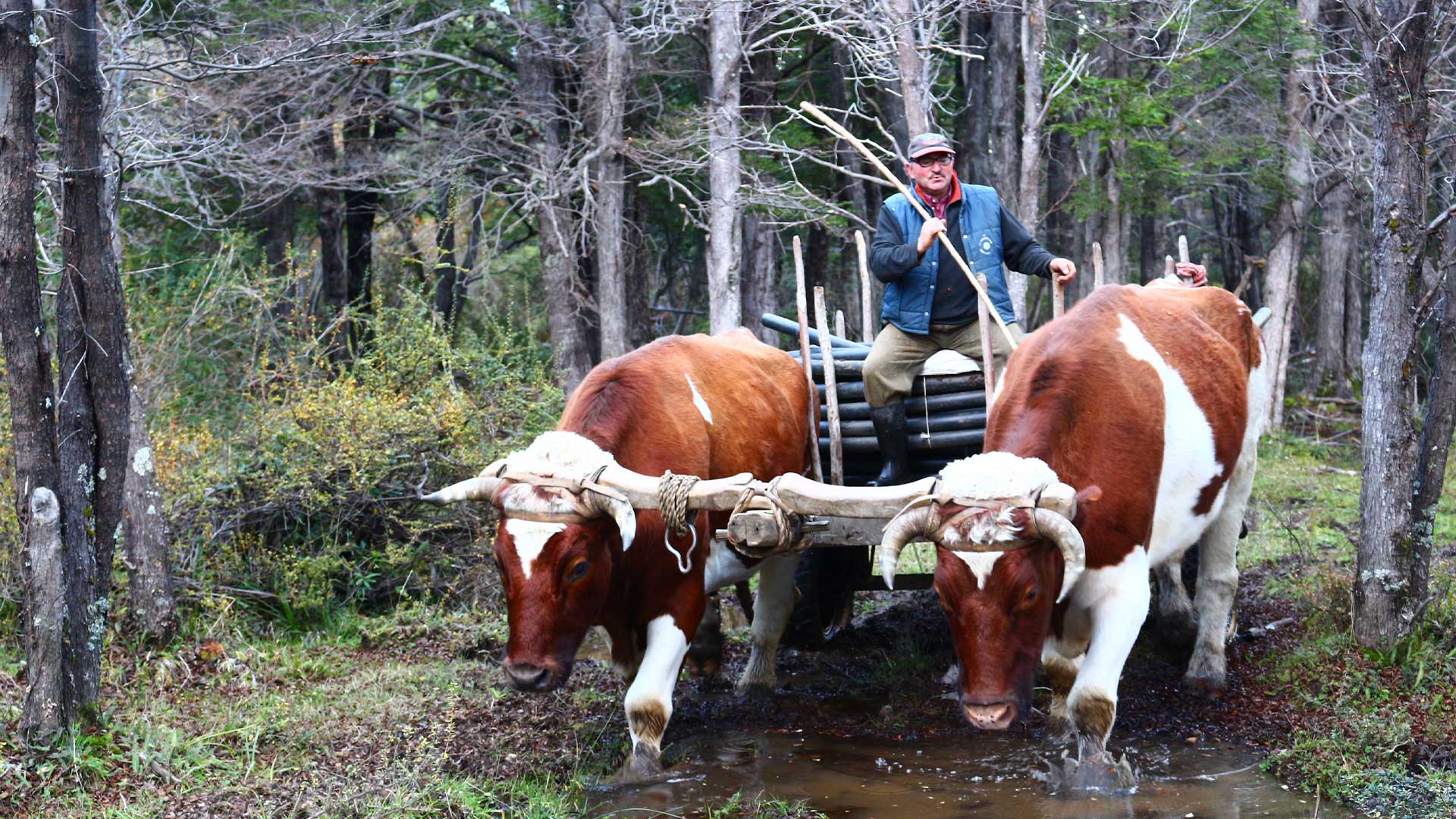
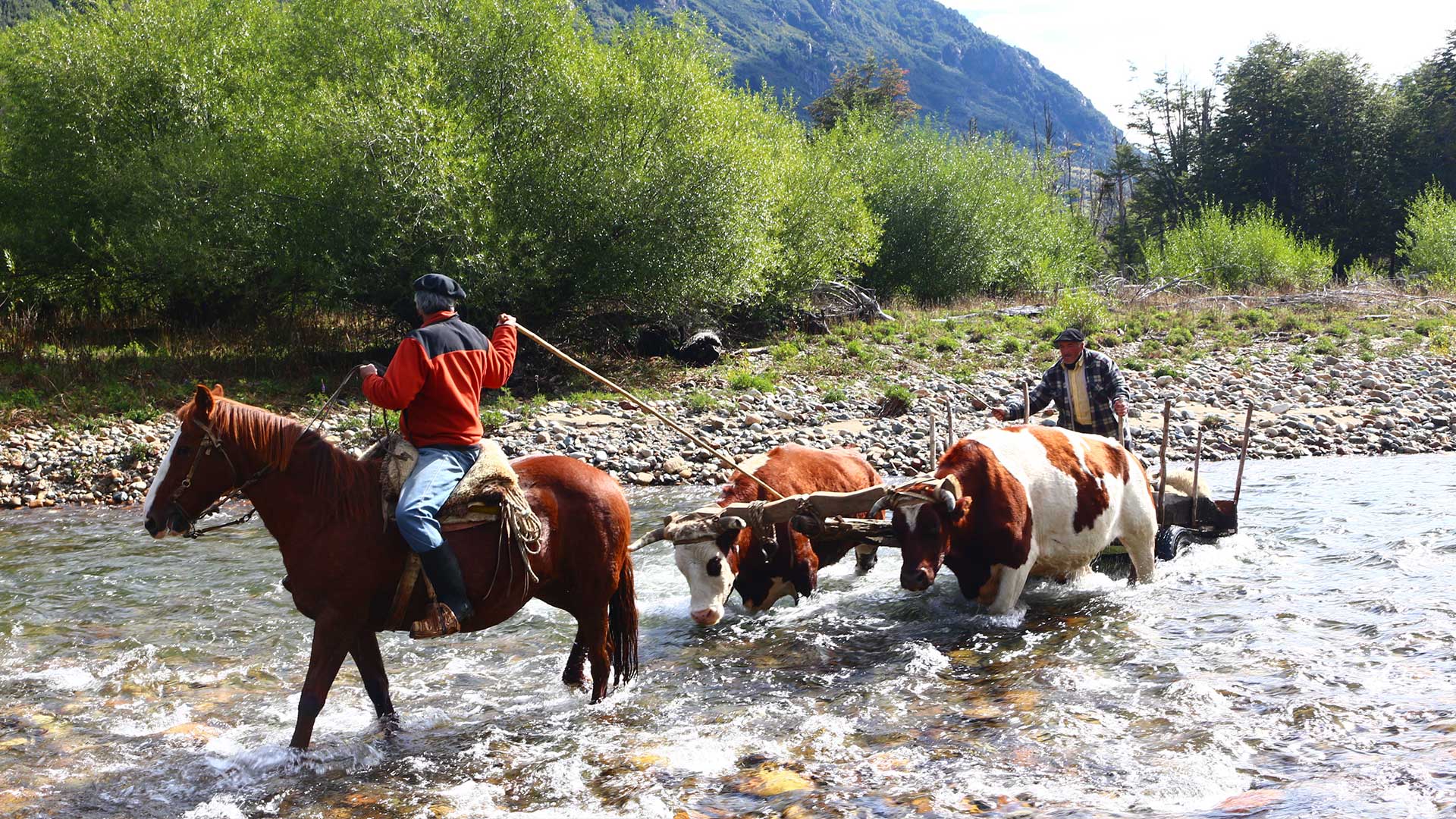
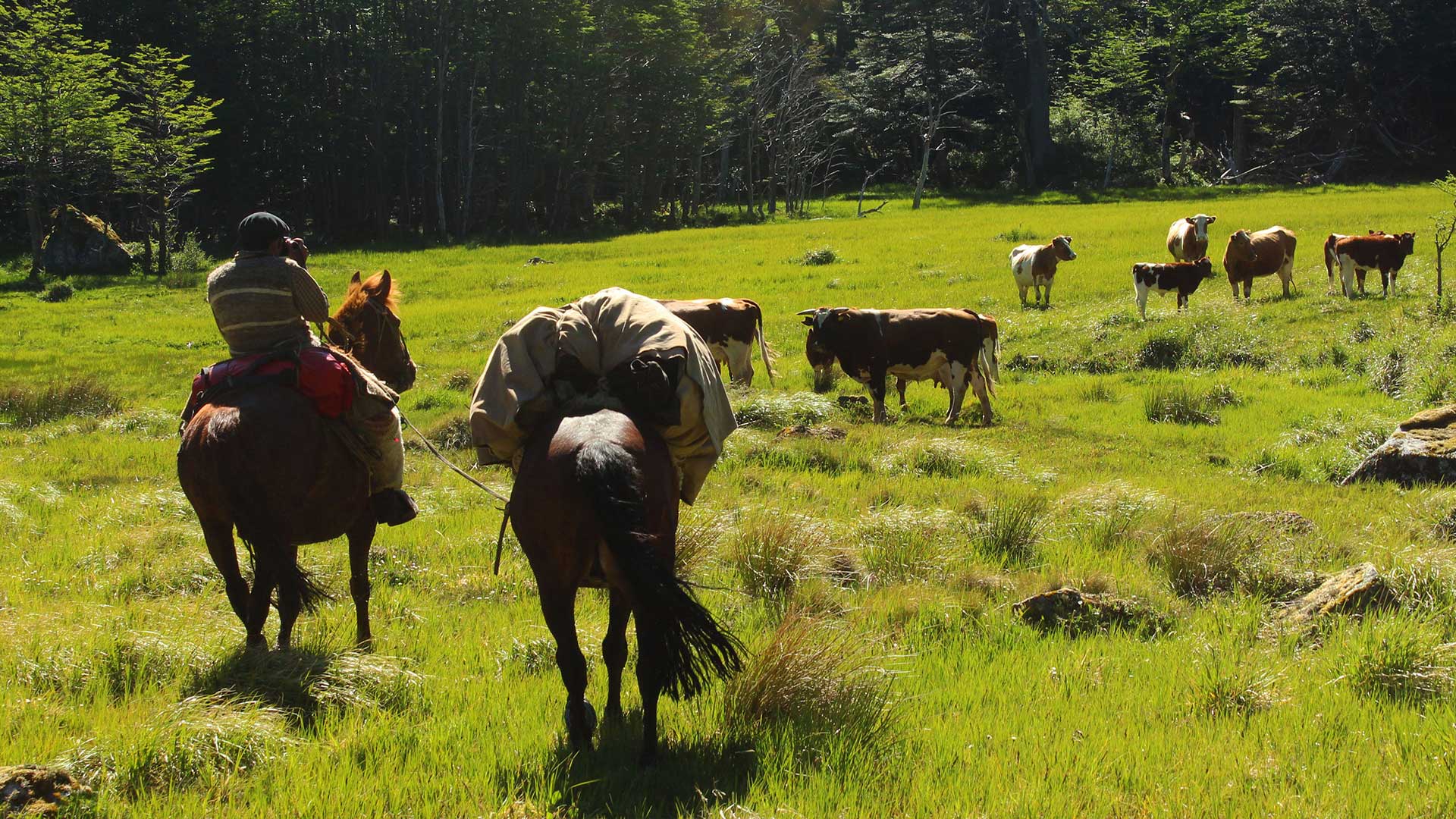
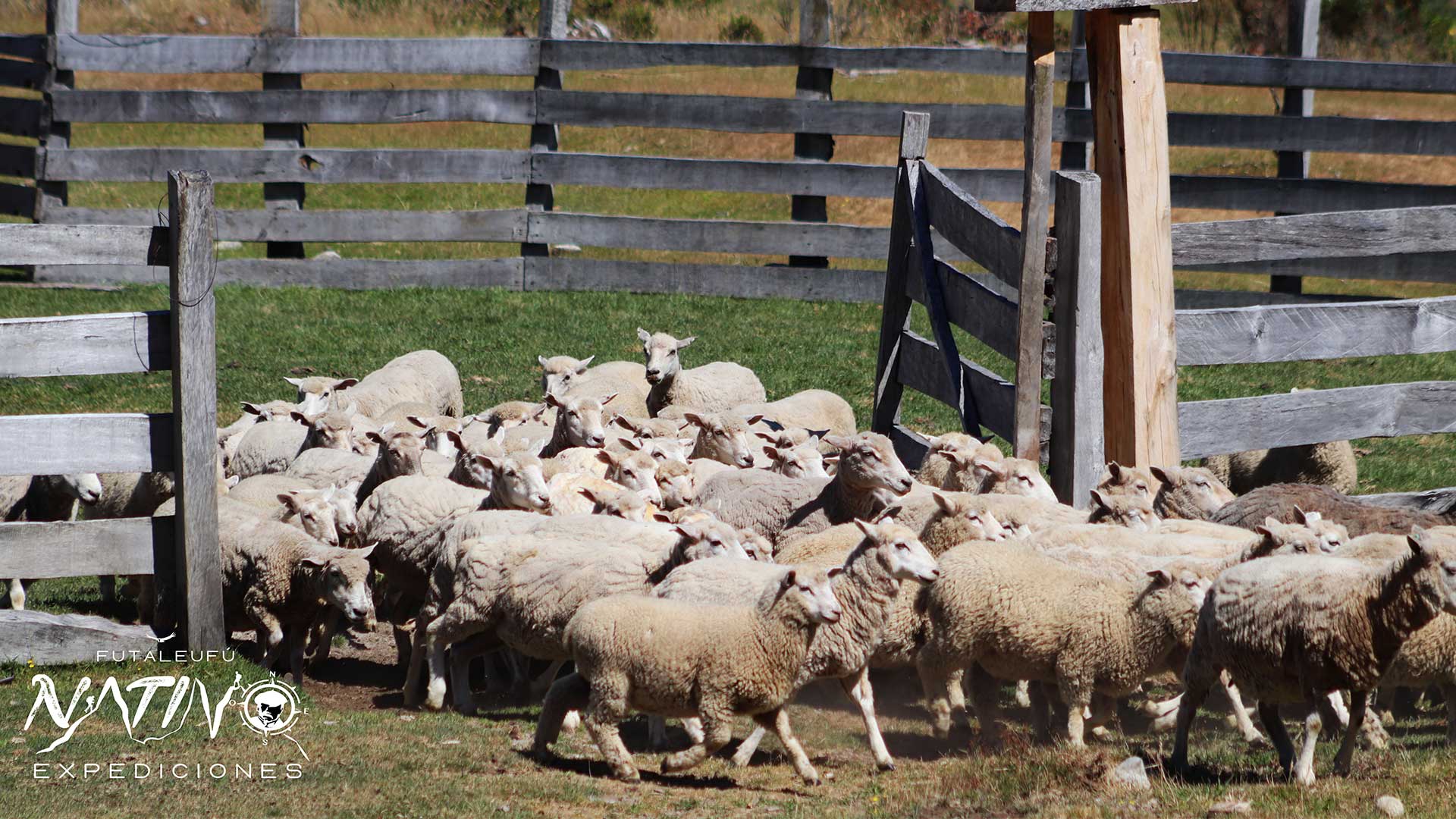
Rural tourism is characterized by its location in natural settings or small villages, offering an authentic connection with local culture, tradition, and lifestyle. It involves participating in traditional activities and preserving both natural and cultural heritage. Authentic Experiences: These include activities such as visiting agricultural fields, learning local crafts, engaging in farming tasks, or enjoying traditional gastronomy.

OUR OBJECTIVE

The objective is to ensure that everyone, regardless of their abilities or needs, can fully enjoy the tourism experience. This involves eliminating physical, communication, and attitudinal barriers, allowing everyone—including those with disabilities or reduced mobility—to have equal opportunities to access, participate in, and enjoy. The main purpose of a tourist circuit is to offer our visitors a complete and organized experience, connecting various destinations and attractions within the commune efficiently. Allowing tourists to visit several places of interest in a single trip, optimizing time and resources, this tourist circuit also seeks to promote the culture and heritage of the area, generate employment and income for the surrounding local community, and offer a unique and memorable experience.

The essence of tourist circuits is about:

Connecting Destinations: Linking different points of interest in a planned route.

Optimizing time: Allowing visitors to see several places in less time than it would take to visit them individually. Offering a complete experience: Includes transportation, accommodation, food, and tour guides to facilitate the trip.

Promoting local development: Generating income and jobs for the community, while fostering the conservation of cultural and natural heritage. Adapting to different needs: Through circuits with diverse themes, durations, and target audiences. In summary, these designed tourism experiences seek to create an enriching and beneficial experience for both the visitor and the visited destinations.

Planning: With an integral focus on the development of tourism experiences or circuits, addressing planning, interpretation, and safety, ensuring inclusive and memorable experiences.

The Essence of the activities: The primary goal of these activities is to provide enriching experiences that align with customer expectations and needs. Tour guides play a crucial role by facilitating the connection between visitors and the local culture and heritage, enriching their understanding and appreciation of the environment they explore.

Selection of Tourist Attractions: Itinerary planning is essential to maximize the visitor experience. It involves selecting three suitable tourist attractions, which can be natural, cultural, or mixed. Each attraction is relevant to the target audience, ensuring a meaningful connection.
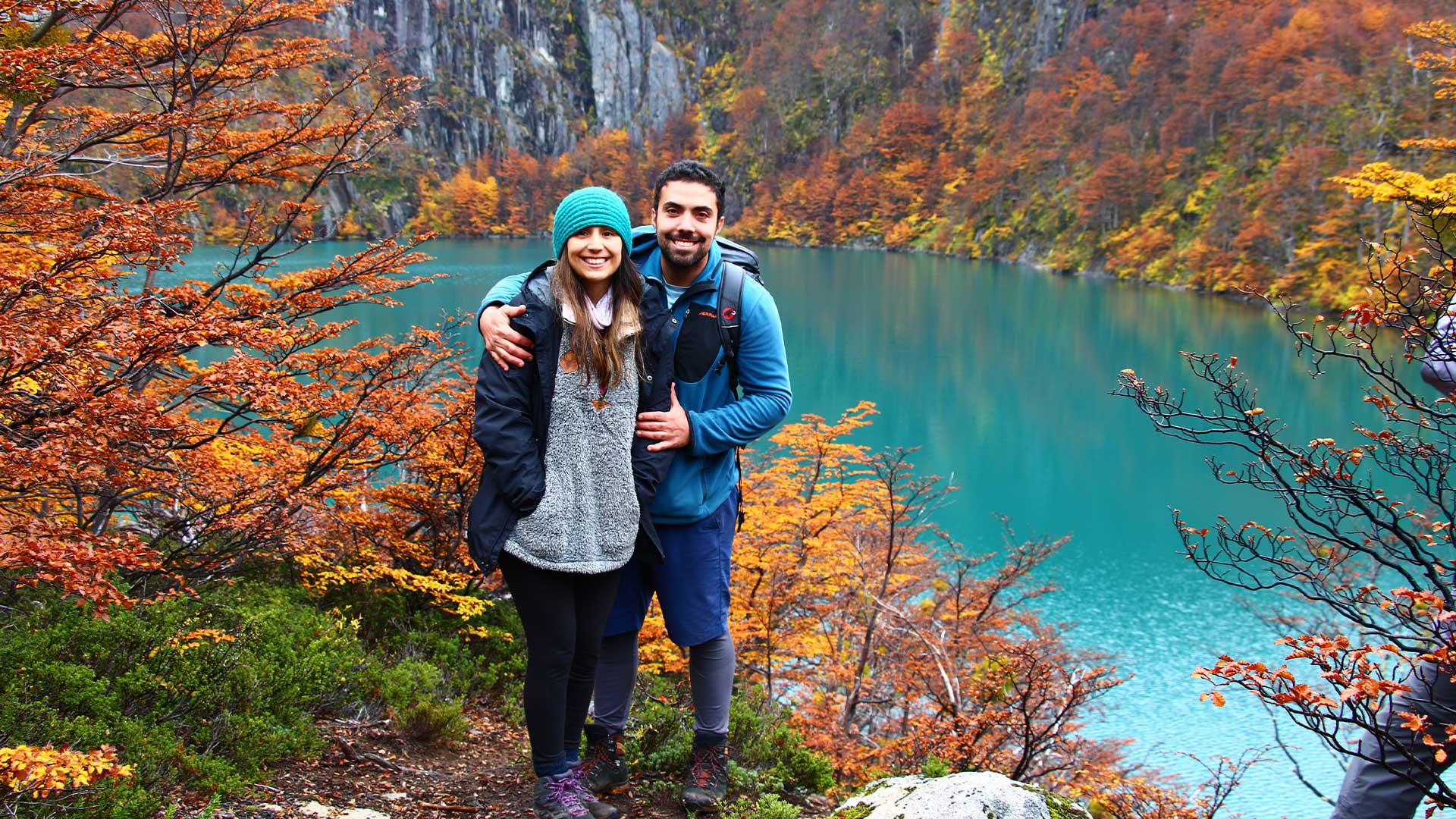
Detailed Itinerary Design: The itinerary design considers critical aspects such as visiting time, safety measures, and the accessibility of each attraction. This ensures that clients not only enjoy themselves but also feel safe and comfortable during the tour.
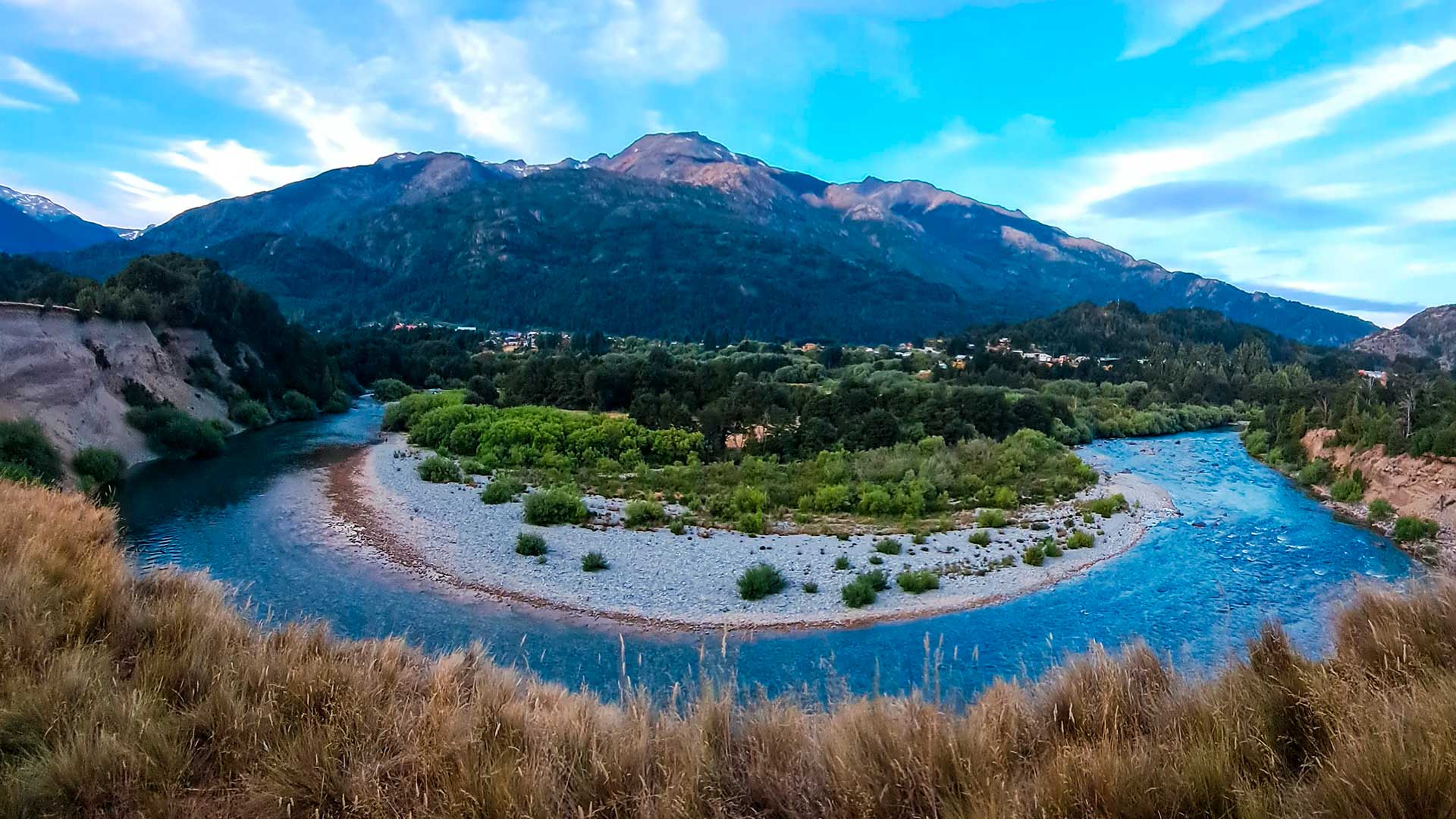
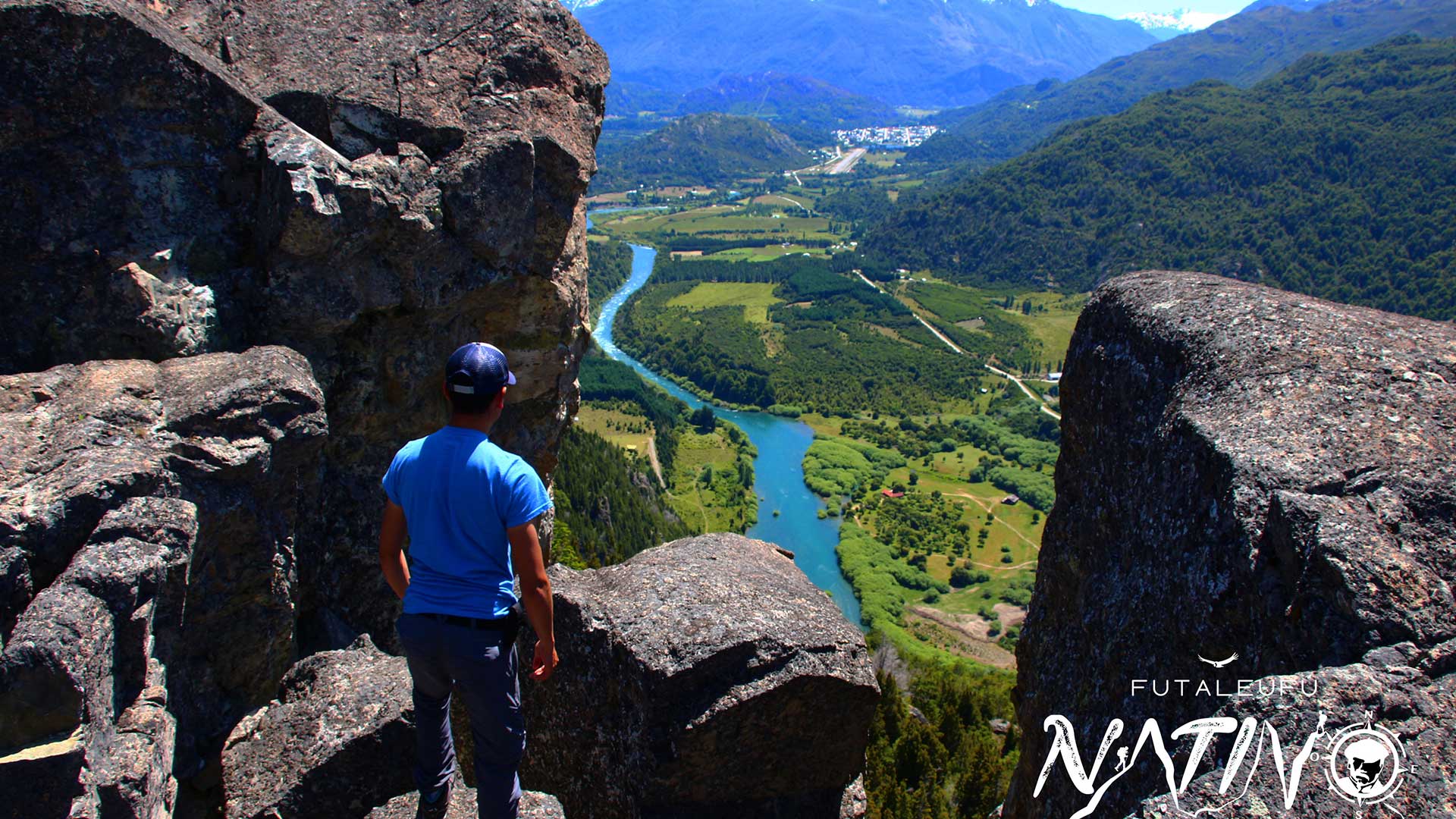
Relationship with the Target Audience: The relationship between the selected attractions and the characteristics of the target audience is crucial. Ensuring that each attraction aligns with the interests and needs of the visitor group allows for a more enriching and satisfying experience.

The guide: Local guide with experience in the history of the area, Patagonia, and general history, as well as being an expert in first aid and group management. The lead guide will be responsible for providing the corresponding notice for this circuit and, as a guide, holds WAFA and WFR certifications, a first aid kit, and first response materials in case of an emergency.

Interpretive Script:

Captivating Narrative: The interpretive script used will feature a captivating narrative that guides visitors through each point of interest, facilitating a deeper understanding of the experience.

Enriching Information: We incorporate historical, cultural, and natural data into the script, allowing visitors to connect emotionally with each place visited in this Patagonia circuit, enhancing their experience.

Varied Interpretive Techniques: We will use diverse interpretive techniques, such as visual elements, sensory activities, and interactive narratives, to help maintain visitor interest and facilitate dynamic learning.

Risk Prevention and Safety Protocols: Ensuring the safety of visitors within the tourist circuit. Risk Identification: Specific risks associated with each tourist attraction are identified, such as adverse weather conditions, routes, slippery terrain, or potentially dangerous wildlife.